What happens inside a modern juice processing plant?
Most people assume juice is just squeezed fruit in a bottle. It isn’t, not by a long way. Between the orchard truck and the shelf there are a dozen or so steps, and fumbling any one of them shows up in the glass. Sometimes as a sour smell three weeks later.
Let me walk you through it like a new owner about to sign a purchase order. A juice processing plant is one connected system, and the most expensive mistake is buying its parts one at a time without asking how they hand off. Fruit juice processing rewards boring consistency more than clever equipment.
From fresh fruits to juice: understanding the fruit preparation and extraction process
Start at the dock. Fruit gets weighed, dumped into a flume and sorted. Somebody (or a camera) pulls out the bruised and rotting pieces, because one bad apple really does spread trouble through a batch. Next, brush washers. Boring fruit processing machinery, yes, but a lazy wash follows you all the way to the filler.
Size reduction depends on what you’re running. Apples and pears go through a hammermill and come out as coarse mash. Mango needs a pulper. Citrus is a little fussy, because the peel oil is bitter and you don’t want it in the juice, so you use a dedicated juice extraction machine that squeezes the fruit without grinding the peel. Gentle fruit processing machinery also keeps more aroma, which customers notice even when they can’t say why.
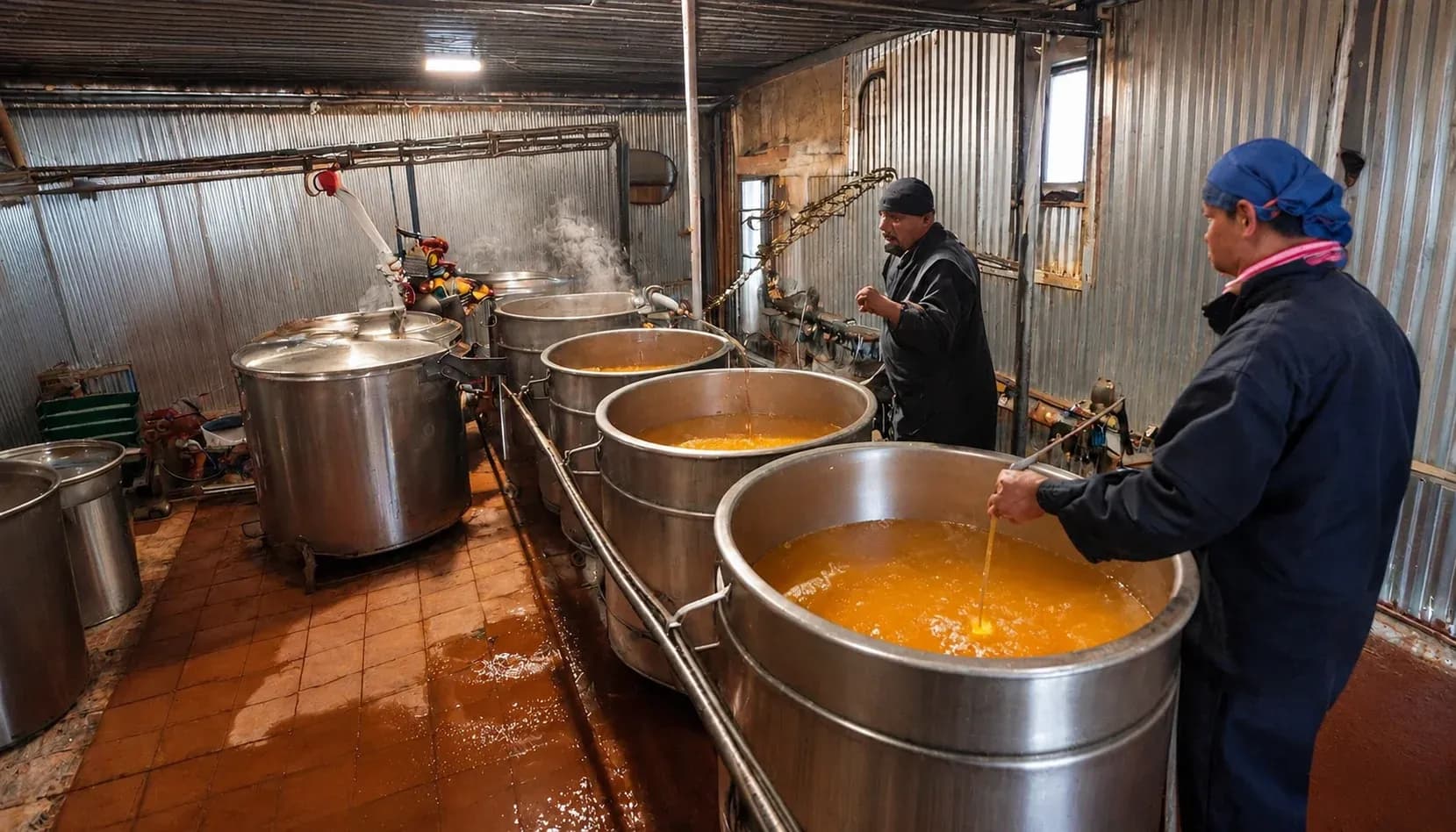
Here’s where I see people cut corners: enzymes. Pectin makes mash gummy and holds juice in. Warm the mash to about 45 to 50°C, leave it 30 to 60 minutes, and pectinase chews through the pectin. Same fruit, more juice, easier pressing. Your juice extraction machine gets the credit for yield that really came from the enzyme tank. Skip it and fruit juice processing turns into a fight: harder pressing, more heat, less juice. A juice processing plant without an enzyme step makes me nervous.
Pressing comes next, on a belt press or decanter. Too much pressure drags bitter tannins in. Too little patience and oxygen browns the juice. Good fruit processing machinery lets you dial in the pressure and hold it. And honestly, I’d buy the juice extraction machine, press and enzyme tank as one package. Judged separately each looks great on paper. Together they might not agree.
How filtration and blending transform extracted juice into a consistent beverage
Juice straight off the press is murky. A centrifugal clarifier spins out whatever the juice extraction machine didn’t catch, and it takes seconds. Want clear apple juice? Add a polish filter.
Then blending. Nobody puts this in a brochure, but it’s what keeps a customer buying. Fruit changes with the season, so this month’s apples are sweeter than last month’s. You set targets for Brix, acidity and pulp, and an inline sensor trims the blend while it runs. A deaerator strips dissolved air so the flavour doesn’t go flat in the bottle.
Get that right and commercial fruit juice processing starts to feel predictable. A steady juice processing plant gives you the same taste in March and in September, and that’s what retailers pay for.
Comparative analysis: manual vs industrial juice processing
Here’s a manual setup next to a full juice processing plant. These are typical ranges, so treat them as rough.
| Parameter | Traditional Manual / Semi-Automated | Advanced Industrial Juice Processing Plant |
|---|---|---|
| Fruit Yield & Extraction Efficiency | Often 55 to 65%, depends heavily on the operator | Typically 75 to 85% with enzymes and belt presses or decanters |
| Enzymatic Oxidation & Vitamin Preservation | Open handling exposes juice to air, so vitamin losses run higher | Closed transfer, deaeration and short holds protect vitamins and colour |
| Microbiological Safety & Pasteurization Precision | Batch heating makes exact temperature hard to hold | Automated control holds set temperature and time, with every cycle logged |
| Overall Line Throughput & Labor Dependency | Low volume, many hands, uneven results | Continuous flow, high volume, few operators |
Industrial costs more at the start. But fruit processing machinery that repeats the same cycle all day wastes less fruit and less labour, and a juice processing plant doesn’t fall apart when your best operator is off sick.
Pasteurization and quality control: how juice freshness and safety are maintained
Raw juice is basically a buffet for yeast, mold and bacteria, so every juice processing plant heats it. In a plate heat exchanger the juice reaches roughly 85 to 95°C for 15 to 30 seconds, then drops back down fast. Spoilage organisms die. Most of the flavour stays.
Automated juice pasteurization does this without anyone guessing. A holding tube sets the time, sensors watch the temperature, and if a batch runs cool a diversion valve sends it round again. Reliable juice pasteurization also logs every cycle, which makes audit day a lot less stressful.
The lab backs that up in any juice processing plant: Brix, pH, acidity, microbial counts, retained samples. Product goes to the juice production line only when the numbers look right. Precise juice pasteurization without those checks is half a job, and checks without it are pointless.
From processing to packaging: how juice filling and bottling systems work
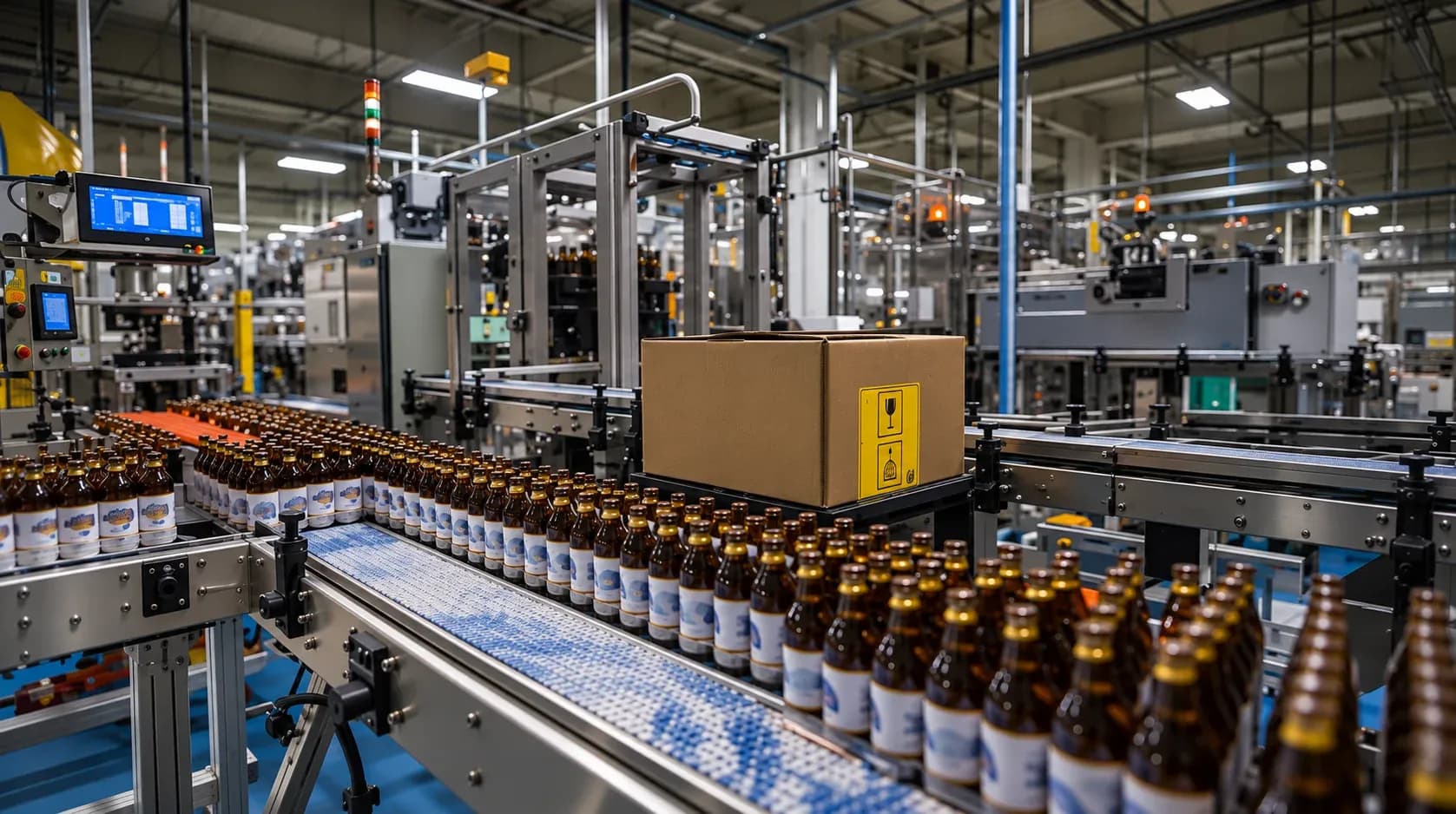
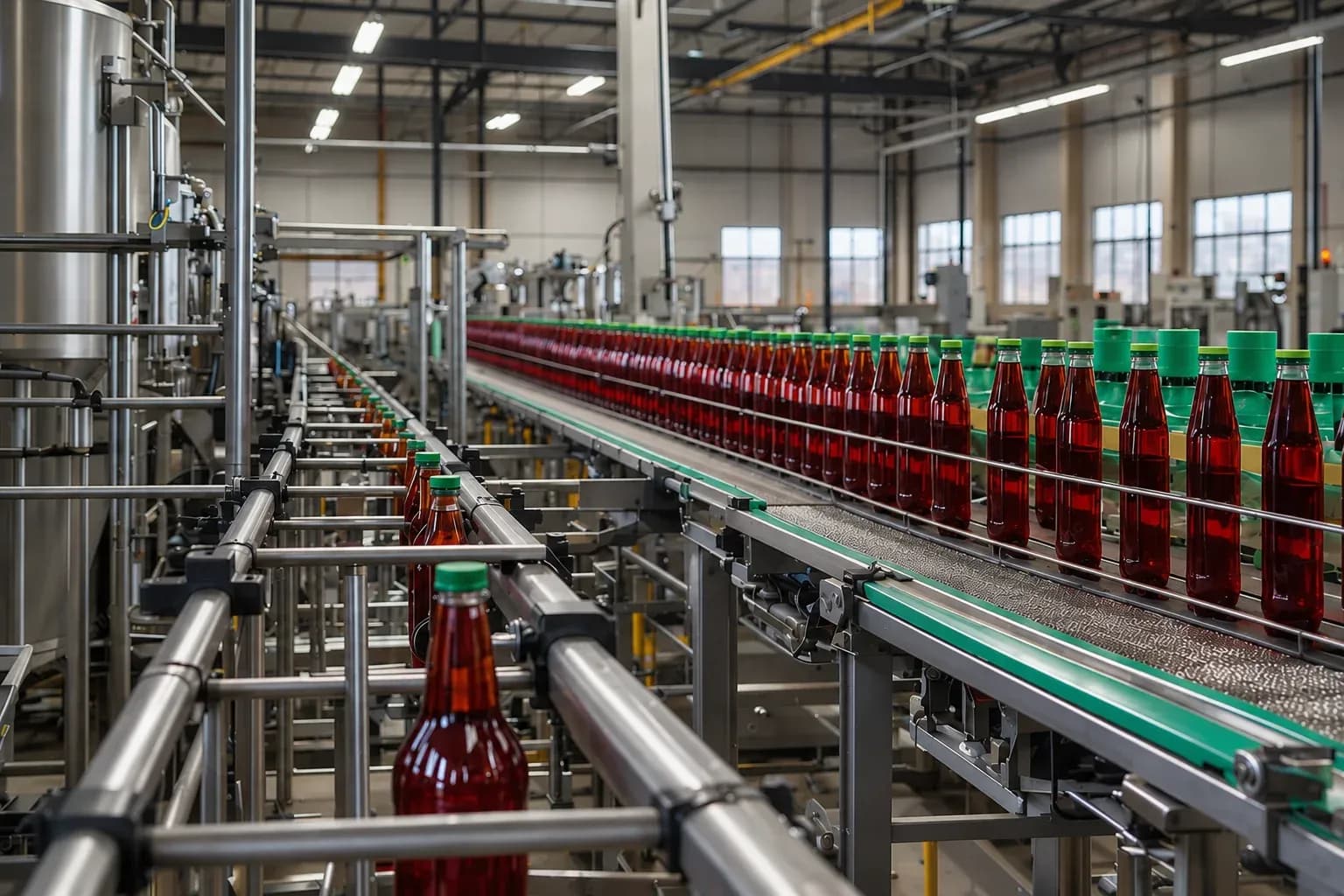
Once juice pasteurization is done, the juice travels through sanitary piping into a buffer tank, then on to the juice production line. You can fill hot, at around 85°C, where the heat sterilizes the cap. Or you can fill cooled juice into pre sterilized containers, which is aseptic filling. Either way a rinser filler capper does the work, then labelling and date coding.
Match filler speed to what your juice processing plant makes. If the juice production line is too slow, juice sits in tanks and loses quality. Too fast, and you bought speed you can’t feed. You want a balanced juice production line.
Key equipment required for an efficient juice processing plant
• Hoppers, flumes, brush washers and sorting tables at reception
• Hammermills for hard fruit, pulpers for soft fruit
• An enzyme tank you can actually hold at temperature (depectinization)
• Belt presses, decanters, or a citrus juice extraction machine
• A centrifugal clarifier, plus polish filters if the juice should be clear
• Blending tanks with a deaerator and inline Brix sensors
• A plate heat exchanger for juice pasteurization, with holding tube and diversion valve
• A CIP skid. It cleans tanks, pipes and exchangers between runs
• The rinser filler capper and labelling gear on the juice production line
• Spares. Even reliable fruit processing machinery wears out
Each machine in a well planned juice processing plant leans on its neighbour.
Why choose Seppa Solutions for your beverage production line?
Seppa Solutions builds beverage processing and packaging equipment, so you can deal with one partner from intake to packed pallets. We design custom sanitary fabrication in stainless steel and lay out a turnkey juice processing plant around your fruit and your volumes. Commissioning, operator training and technical support for fruit juice processing come with it.
Comparing suppliers of fruit processing machinery? Ask each one who owns the whole juice production line when something breaks. With Seppa Solutions it’s one team, from your first juice extraction machine to the last pallet.
Frequently asked questions about juice processing plants
1. How do we handle seasonal fruit changes?
Adjustable fruit processing machinery, flexible enzyme dosing and recipe driven blending let one juice processing plant take apple in autumn and citrus in winter.
2. How do we calculate return on investment for automated filtration?
Add up the extra juice from the juice extraction machine, the labour you save and the rework you avoid, then weigh that against the equipment cost. Most owners find the yield gain in fruit juice processing does most of the work.
3. How can we reduce energy use?
Recover heat in the plate heat exchanger and size your pumps properly. Fruit juice processing runs on heat, so wasting it hurts. Efficient juice pasteurization saves the most.
4. How do we keep CIP hygiene standards high?
Validate every cycle by temperature, flow, chemical strength and time. Clean lines keep fruit juice processing safe. Check the rinse water before juice pasteurization restarts.
5. How do we scale production capacity?
Leave headroom in tanks, exchangers and the juice production line from day one. A later upgrade to your juice processing plant then means adding modules, not tearing things out.