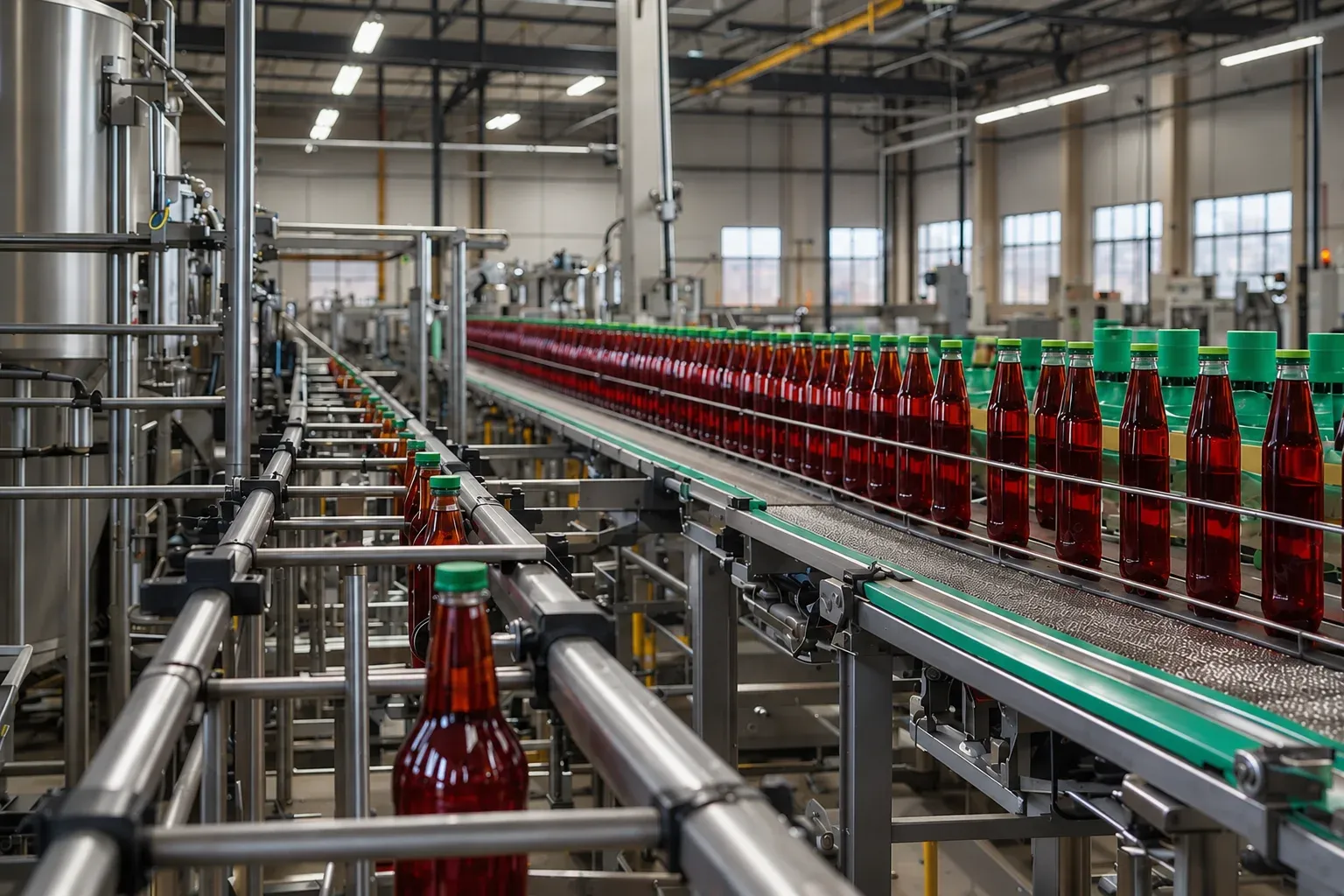
If you've ever asked a plant director “so, what does this actually cost?”, you know the answer is rarely a single number. Budgeting for a beverage processing line is less like buying a machine and more like assembling a small factory piece by piece, with money leaking out of corners you didn't know existed. I've walked enough investors through pricing out beverage production equipment to know where the surprises hide, and this guide is my attempt to get you ahead of them before you sign a purchase order.
Key Factors to Consider Before Investing in a Beverage Processing Line
Before even looking at a quote, you should ask yourself a couple of questions that will influence your budget from behind the scenes. What is the viscosity of your product? Mineral water, which is a light substance, has little to do with the pulpy juice or the seltzer that flows along the same belt on the conveyor.
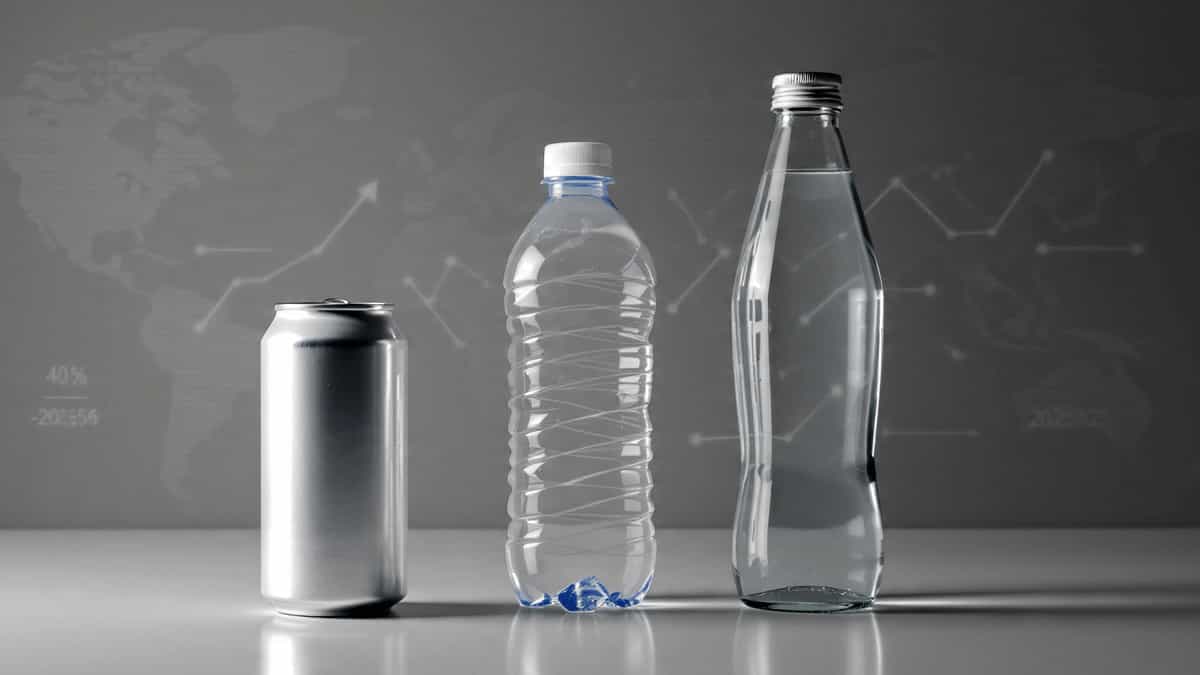
What's your target output 3,000 bottles an hour, or 15,000? That figure alone determines whether you're shopping for compact beverage processing machinery or a full scale, automated beverage processing line with synchronized modules. Packaging format matters too. Glass, PET, cans, and pouches each demand different beverage bottling equipment, and switching formats later gets expensive fast.
Guessing wrong on growth is just as costly. Plenty of owners buy a beverage processing line sized for today's demand, only to outgrow it within eighteen months and pay a premium to retrofit their beverage manufacturing equipment including the beverage labelling machine, which is rarely designed to scale past its original speed rating. Build in headroom from day one, even if it costs more up front.
How Much Does a Beverage Processing Line Cost? Key Investment Factors
Here is the truth: a basic semi automated beverage process line starts at $150,000-$400,000, while a fully automated high throughput beverage process line will exceed $2 million when you factor in tanks, packaging modules, and integration. This is a big difference in prices and it all boils down to just a few factors.
Automation level is the biggest lever. Every robotic arm, sensor, and PLC controlled station on your beverage processing machinery adds cost but removes labour dependency. Material grade matters too 316L stainless steel costs more than 304 but resists corrosion better on acidic products, and cutting corners here tends to backfire within a few years.
Throughput requirements, product complexity, and whether you need aseptic filling all push the number for your beverage production equipment up or down. Don't forget geography, either freight, import duties, and local labour can add 8-15% to your total beverage bottling equipment spend, depending on where the line is built versus where it lands.
Complete Beverage Processing Line Equipment: What Should Your Budget Include?
A full line budget isn't just “the machine” It's an ecosystem of connected hardware, and skipping a category is how projects run over.
Start with fluid preparation: mixing tanks, CIP (clean in place) systems, and heat exchangers. Then move to the heart of the operation your core beverage production equipment, including fillers, cappers, and rinsers, often combined into a rinser filler capper monobloc to save floor space and labour.
Downstream, you'll need packaging modules: a precise beverage labelling machine, coders for batch tracking, and cartoning or crating systems. That beverage labelling machine is easy to underbudget, but label placement accuracy affects both retail shelf appeal and regulatory compliance, so it's not a place to cut corners.
Round out the budget with material handling unscramblers, conveyors, palletizers, stretch wrappers plus utilities like chillers and compressors. If you miss out on one of these factors in your original estimate for beverage manufacturing equipment, you will find yourself returning to the supplier’s door within a month requesting a change order.
Comparative Analysis: Semi Automated vs Fully Automated Lines
Numbers help more than adjectives, so let's put the two approaches side by side.
| Parameter | Low Cost Semi Automated Line | High Performance Fully Automated Line |
|---|---|---|
| Initial Capital Outlay | $150,000 – $500,000 | $1.2 million – $3.5 million+ |
| Labor Headcount & Operating Costs | 8–15 operators per shift; higher ongoing labour cost | 2–5 operators per shift; lower labour cost, higher maintenance skill required |
| Throughput Speed & Output Capacity | 1,500–6,000 bottles/hour | 12,000–40,000+ bottles/hour |
| Projected Payback Period (ROI) | 2–3 years (lower volume, lower risk) | 3–5 years (higher volume offsets larger outlay) |
Neither option is objectively “better” it depends on your production targets, labour market, and how much capital you're comfortable committing on day one.
How to Plan Your Beverage Processing Line Budget by Production Capacity
Your budget should follow your bottles per hour target, not the other way around. A business targeting 5,000 bottles an hour doesn't need the same beverage manufacturing equipment as one targeting 30,000, and buying oversized capacity just to “future proof” often means paying interest on idle beverage production equipment for years.
A reasonable rule of thumb: plan your beverage processing line around demand you expect within 24-36 months, not five years out. Markets shift, product lines change, and modular beverage processing machinery lets you add a second filler head or a second beverage labelling machine later rather than locking in maximum capacity now.
Reserve 10-15% of your total budget as contingency every plant I've toured has needed it for something, whether that's an unexpected utility upgrade or a longer than planned commissioning phase for a new beverage processing line.
Automatic vs. Semi Automatic Beverage Processing Lines: Which Is Better for Your Investment?
This is the question I get asked most often, and the honest answer is: it depends on your labour costs and growth trajectory.
Semi automatic beverage processing machinery has a lower barrier to entry. You'll spend less upfront, train operators faster, and keep flexibility if your product mix changes. It's a sensible starting point for a new facility, and it still gives you a real beverage processing line without the seven figure commitment.
Fully automated beverage bottling equipment costs more but pays that back through labour savings and consistency fewer human touchpoints mean fewer fill variances and less product loss. If you're running high volumes with thin margins, the labour savings from automated beverage bottling equipment alone can justify the larger check. If you're still validating your market, semi automatic beverage processing machinery gives you room to learn without over committing capital.
Hidden Costs to Consider When Investing in a Beverage Processing Line
The machine price on a quote is rarely the final number, and this is where budgets quietly blow past their targets. Electrical upgrades are a common surprise older facilities often need a service upgrade just to handle the amperage a new beverage processing line draws.
Compressed air systems and water treatment tie ins add real cost too, especially if your facility wasn't built with beverage production equipment in mind. Then there's freight. Shipping heavy stainless steel beverage manufacturing equipment internationally isn't cheap, and factory acceptance testing (FAT) inspecting the beverage processing machinery before it leaves the manufacturer adds cost, but it's money well spent compared to finding a defect after installation.
Spare parts, operator training, and commissioning support round out the list of line items that rarely make it into the first pass budget for beverage production equipment.
Why Choose SEPPA Solutions for Your Beverage Processing Line?
We've built SEPPA Solutions around a simple idea: you shouldn't need a finance degree to understand what you're paying for. Every quote breaks down capital costs by category fluid handling, packaging, utilities so there are no surprise line items buried in fine print.
Our engineering team designs modular beverage manufacturing equipment, meaning you can start with a semi automated configuration and add automation as volume grows, instead of replacing the whole beverage processing line. Custom fabrication lets us match tank sizes, filler heads, and beverage labelling machine specs to your exact product, not a generic template.
And because we handle lifecycle support in house, from commissioning through spare parts, you're not chasing three vendors when your beverage bottling equipment needs attention two years from now.
FAQ: Beverage Processing Line Investment and Equipment Costs
1. What's the average payback timeline for a mid scale beverage plant?
Most mid scale operations see payback in 2-4 years, depending on automation level. Semi automated lines pay back faster on lower outlay, while fully automated beverage manufacturing equipment takes longer but generates higher long term margins.
2. How can I finance industrial beverage processing equipment?
Common routes include equipment financing loans, leasing arrangements, and SBA backed loans for manufacturers. Many vendors, including SEPPA Solutions, can also structure phased payment plans tied to installation milestones for a full beverage processing line.
3. How much should I budget for spare parts inventory?
Budget 3-5% of total equipment cost annually, covering wear items like seals, filling nozzles, and conveyor components on your beverage production equipment. High throughput lines running continuously need a larger reserve.
4. What utility installations does a new beverage processing line require?
Budget for electrical service capacity, compressed air supply, potable water lines, and CIP drainage. Facilities converting an existing building rather than powering a beverage labelling machine and filler from a clean slate often face the largest utility upgrades.
5. When should I upgrade from semi automatic to fully automated equipment?
The typical trigger is volume above 8,000-10,000 bottles per hour, where labour costs and fill inconsistency on semi automatic beverage bottling equipment start eating into margins faster than automation would cost you.