Complete Juice Processing Plant Solutions
CompleteJuiceProcessingPlantSolutions
A juice processing line is not a collection of machines bolted together in sequence. Each stage depends on what came before it and directly affects what follows. Extraction conditions set the burden on filtration. Thermal treatment decisions ripple back into how pressing parameters are dialled in. Get any handoff wrong and the consequences compound downstream off-flavours, microbial instability, or inconsistent Brix across production batches.
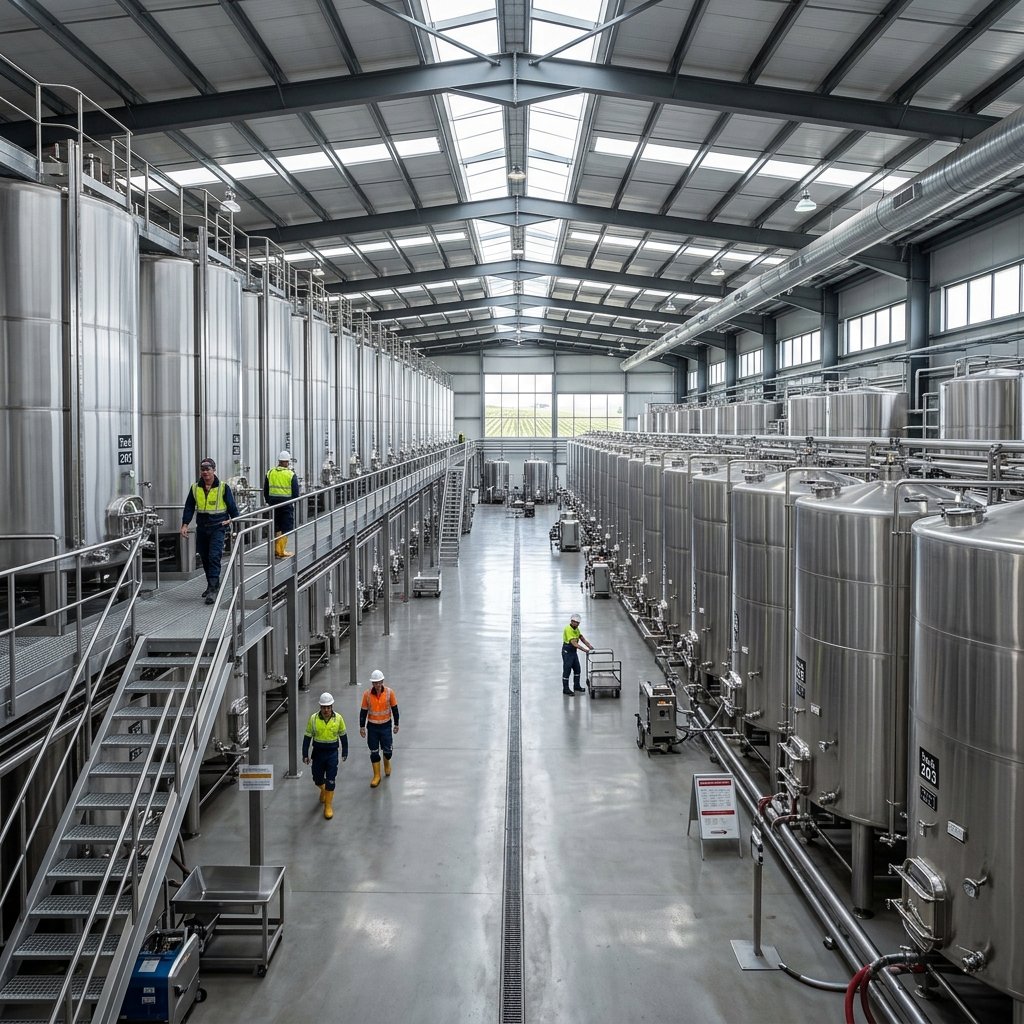
Seppa designs every juice processing line as an integrated system. Fruit reception, washing, pressing, enzyme treatment, filtration, pasteurisation, deaeration, and thermal hold all share a common control architecture. That means an operator can tune one variable upstream pulp retention, say without manually recalibrating downstream fill temperatures. Inside a large scale juice processing plant running thousands of litres per hour, that kind of inter system intelligence separates consistent product from batch to batch guesswork.
Thermal stages in a Seppa juice processing line use plate or tubular heat exchangers sized for the specific viscosity and particulate load of each product type. Pasteurisation temperatures are held within +0.5°C of target across the full production run. That precision matters: enzyme inactivation requires hitting a minimum lethal temperature, but the aromatic volatiles that make a fresh juice taste like the fruit it came from start degrading above certain thresholds.
JuiceProductionProcessFlow
The process starts before the first fruit is pressed. Incoming raw material is inspected, washed, and sorted to remove damaged or contaminated fruit. Brix and titratable acidity are measured at reception to set baseline processing targets for the batch.
Pressing or extraction follows, with method chosen to match the fruit. Citrus uses in line extractors that separate juice from peel oil simultaneously. Stone fruits and apples typically pass through crushing and pressing stages where enzyme addition controls pectin breakdown to the target clarity level.
Filtration removes suspended solids to the target specification, coarse for nectars and fine for clear juices, and is followed by deaeration. Removing dissolved oxygen at this stage directly limits oxidative degradation during storage. It is a step that under specified juice processing line frequently skip, and the consequences tend to show up in accelerated shelf life testing six months later.
Pasteurisation in a high efficiency fruit juice production line typically uses an HTST profile 95 to 100°C for 15 to 30 seconds for not from concentrate products. Peroxidase and polyphenol oxidase are the primary enzymatic targets; both are inactivated in this window without the extended dwell time that causes measurable caramelisation in sugar bearing juices. Cooling follows immediately through regenerative heat exchange, recovering thermal energy and dropping product temperature to fill ready levels within seconds.
JuiceFillingandPackagingSystems
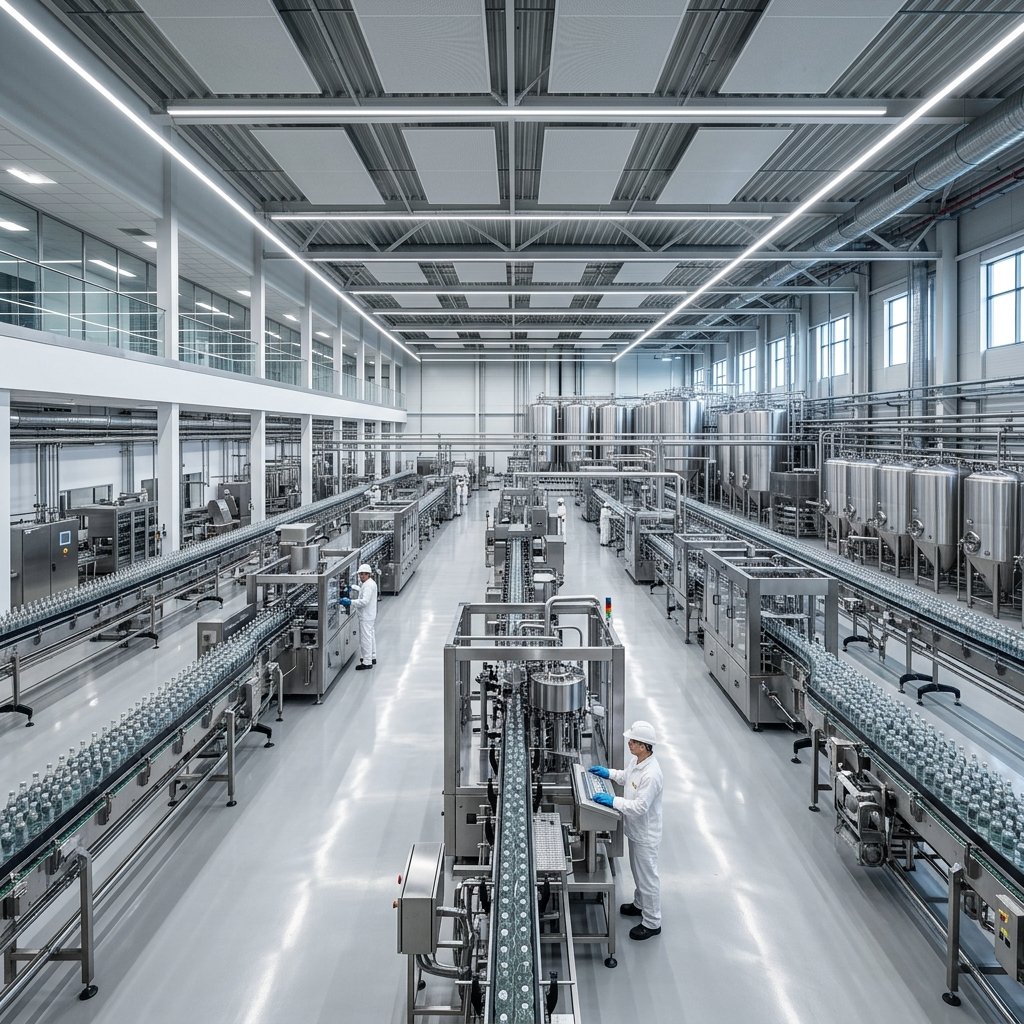
Once the product leaves the pasteuriser, it enters the most contamination sensitive phase of the juice processing line. Microbiological ingress between the cooler and the sealed container undoes the thermal work that came before it a fact that is easy to state and surprisingly easy to overlook in plant layout decisions.
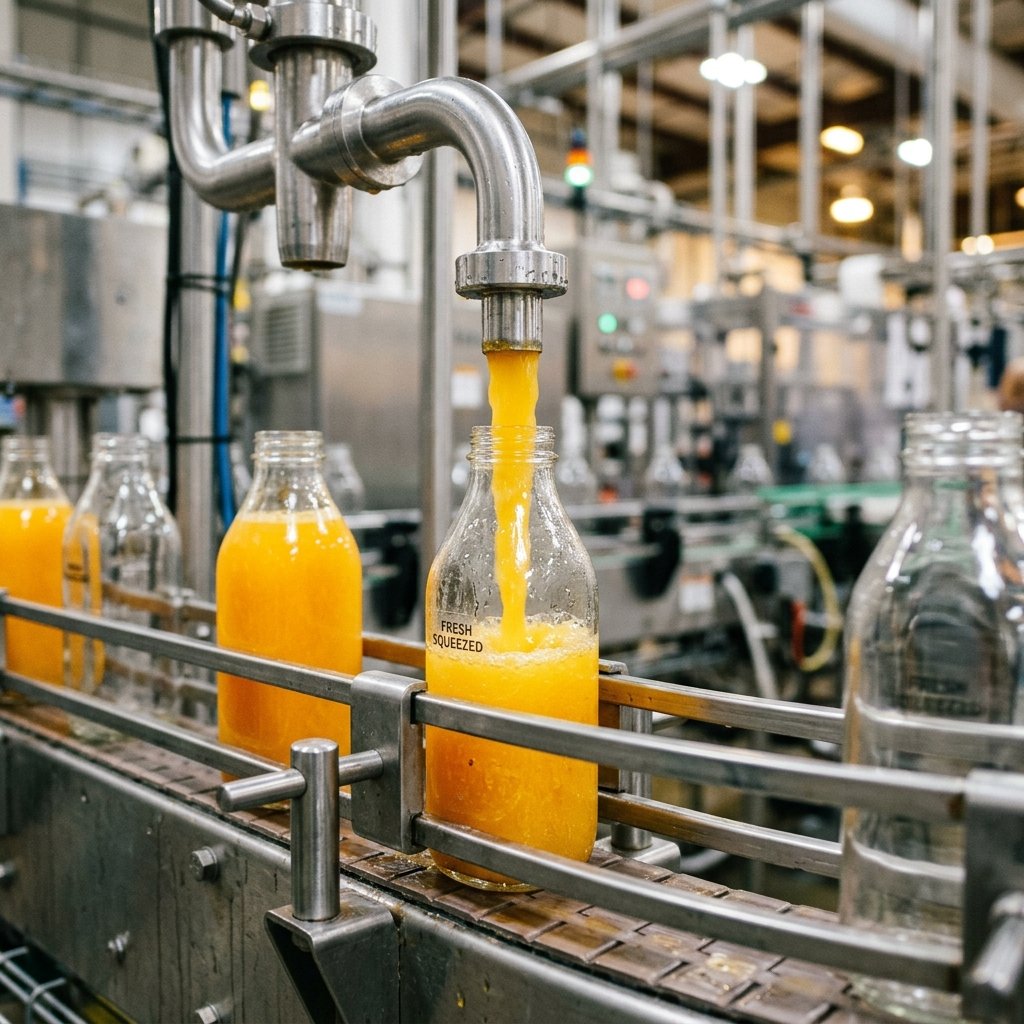
Seppa's juice filling line operates with a sterile zone architecture where the fill head, container feed, and cap application all run under positive pressure filtered air. For hot fill products, fill temperatures between 85°C and 92°C are maintained within +1°C. Tight enough to ensure container sterilisation from the product temperature itself, but not so tight that thermal stress cracks PET or HDPE bottles. Pulpy products are managed through temperature controlled recirculation at the fill head, preventing settling between fill cycles without mechanical agitation that would damage fruit particles.
The transition to the juice packaging line brings a different set of requirements. Labelling, date and batch coding, secondary packaging, and palletising all have to execute without creating contamination points or mechanical stress on sealed containers. Seppa integrates these downstream stages including Kombopure aseptic fill cap units and end of line stretch wrapping into the same control system governing the upstream juice processing line. Traceability from finished pallet back to raw material lot is available without manual record reconstruction.
For aseptic cold fill applications, the juice filling line changes substantially. Containers are sterilised separately using hydrogen peroxide or UV treatment. The fill environment is maintained at ISO Class 5 or better. Fill temperatures match ambient or slightly below.
TypesofJuiceProductsWeProcess
The right juice line for clarified apple concentrate differs substantially from what pulpy mango nectar needs. These are not just different products they are different engineering problems.
Citrus Juices
Citrus juices contain suspended pulp solids and volatile flavour compounds which are easily affected. They need an extra...
Tropical Nectars and High Pulp Blends
Tropical nectars and high pulp blends add another layer: they need specialised homogenisers and recirculation loops that...
Clear Juices and Concentrates
Clear shelf stable juices and concentrates sit at the other end. Their fruit juice production line includes centrifugal...
Modular Adaptability
Seppa's modular design means one juice processing line can handle multiple product types on the same footprint seasonal...
BenefitsofSeppaJuiceProcessingPlants
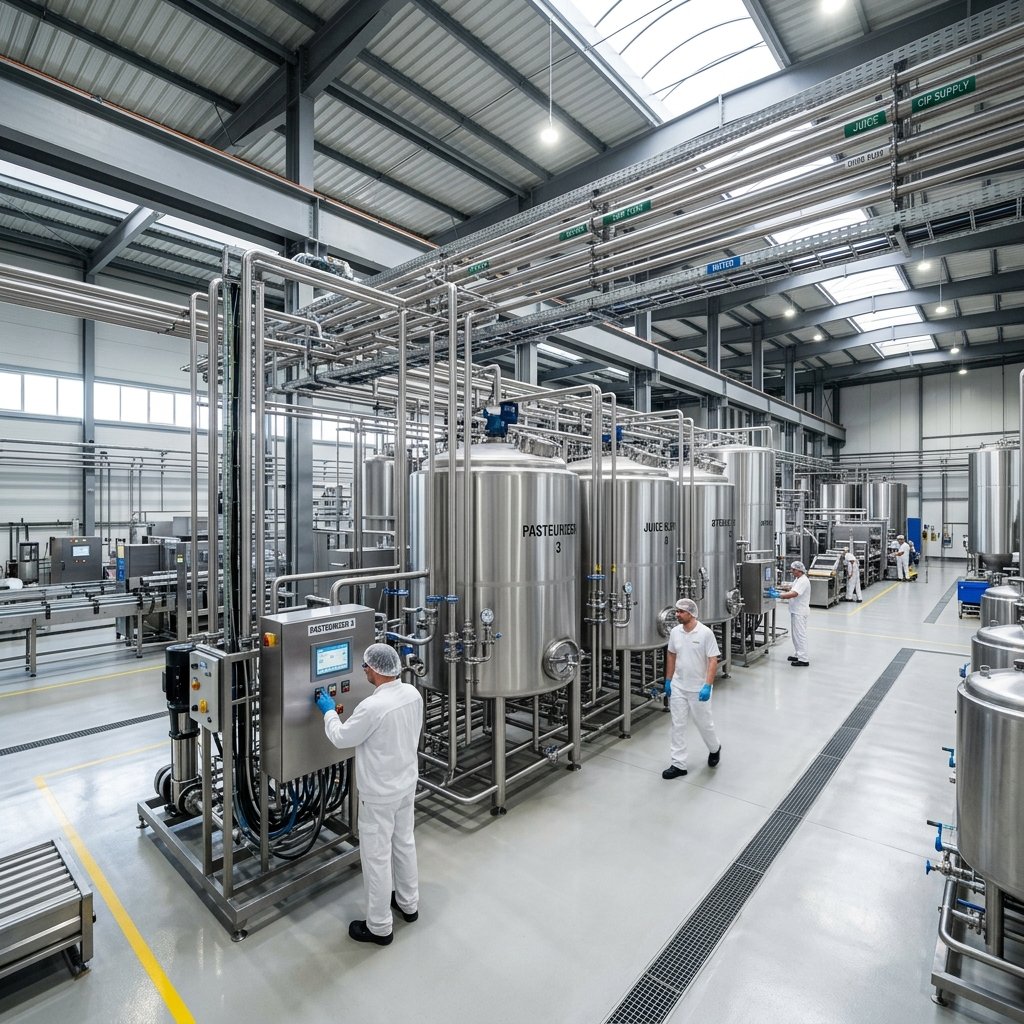
Seppa juice processing plants are designed for a low footprint layout where each stage is positioned to minimise transfer piping length. Shorter transfer lines mean faster CIP cycles, less product retained in dead legs between runs, and lower cleaning chemical consumption per litre of output.
•On waste reduction: pomace from pressing passes through a recovery system that captures residual juice before the solid fraction exits the line. Thermal energy from pasteurisation is recovered regeneratively at rates above 90%. Water consumption per litre of finished product is set as a target during system design and tracked continuously during production not estimated and forgotten.
The modular architecture of a Seppa juice processing line means capacity additions do not require taking down the existing line. A plant running 5,000 litres per hour can add a parallel pasteuriser and additional fill heads as volume grows. That is a planning advantage that compounds over time.
All product contact surfaces are 316L stainless, electropolished to Ra ≤ 0.8 µm. Gaskets are FDA compliant elastomers. No dead end pipework. No horizontal runs where condensate accumulates. These decisions are made at the design stage because correcting them after installation is expensive and disruptive.
Methodology:CompleteJuiceProcessingPlantSolutions
Process Design & Engineering
Process design based on raw material properties, brix requirements, and output specifications before equipment fabrication.
Sanitary System Integration
Fabrication using 316L stainless steel, EHEDG compliant configurations, and optimized CIP/SIP circuits.
Commissioning and Validation
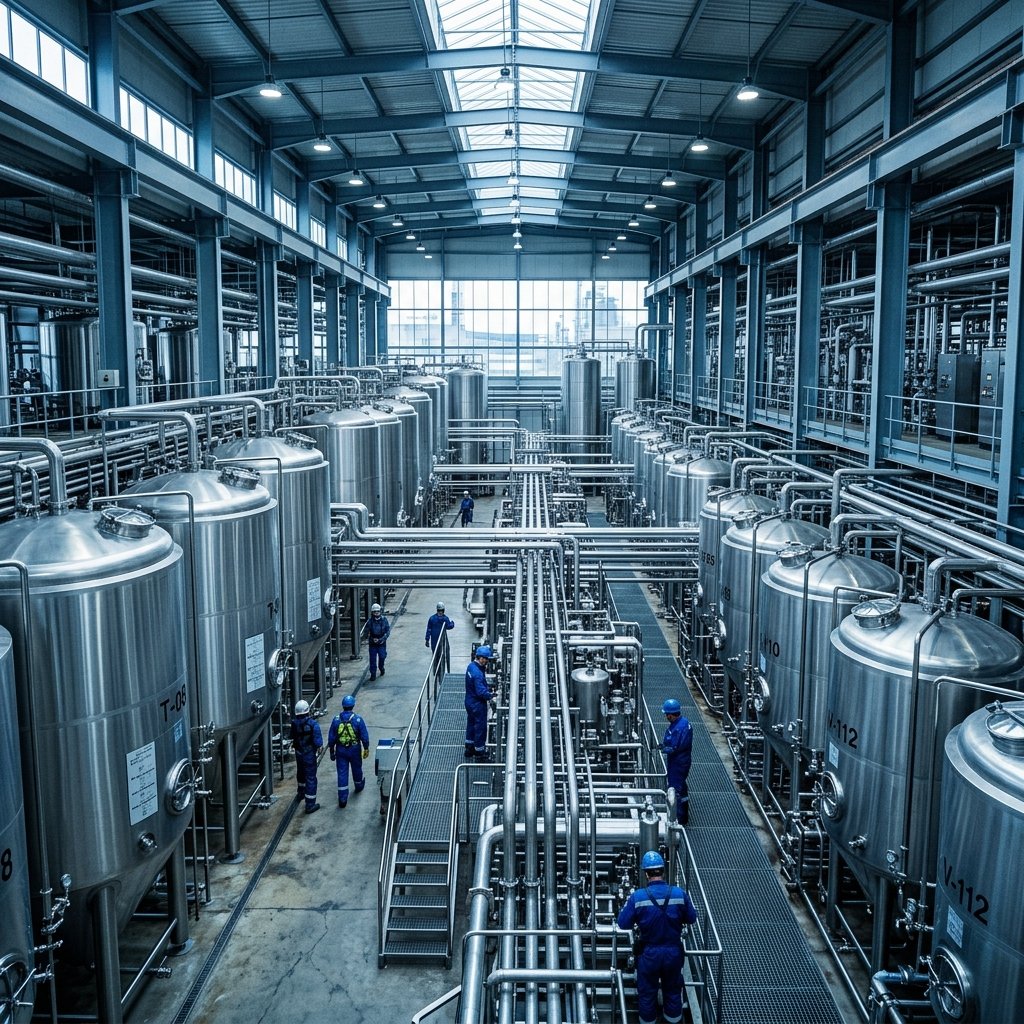
Complete validation testing, including media fill trials, microbiological analysis, and operator training sessions.
The Seppa Engineering Lifecycle ensures that every juice plant is designed for long-term performance and scalability, combining hygienic design, advanced pasteurisation, and modular automation.
FrequentlyAskedQuestions
EmpoweringIndustryLeadersWorldwide














CollaboratingwiththeBestintheIndustry




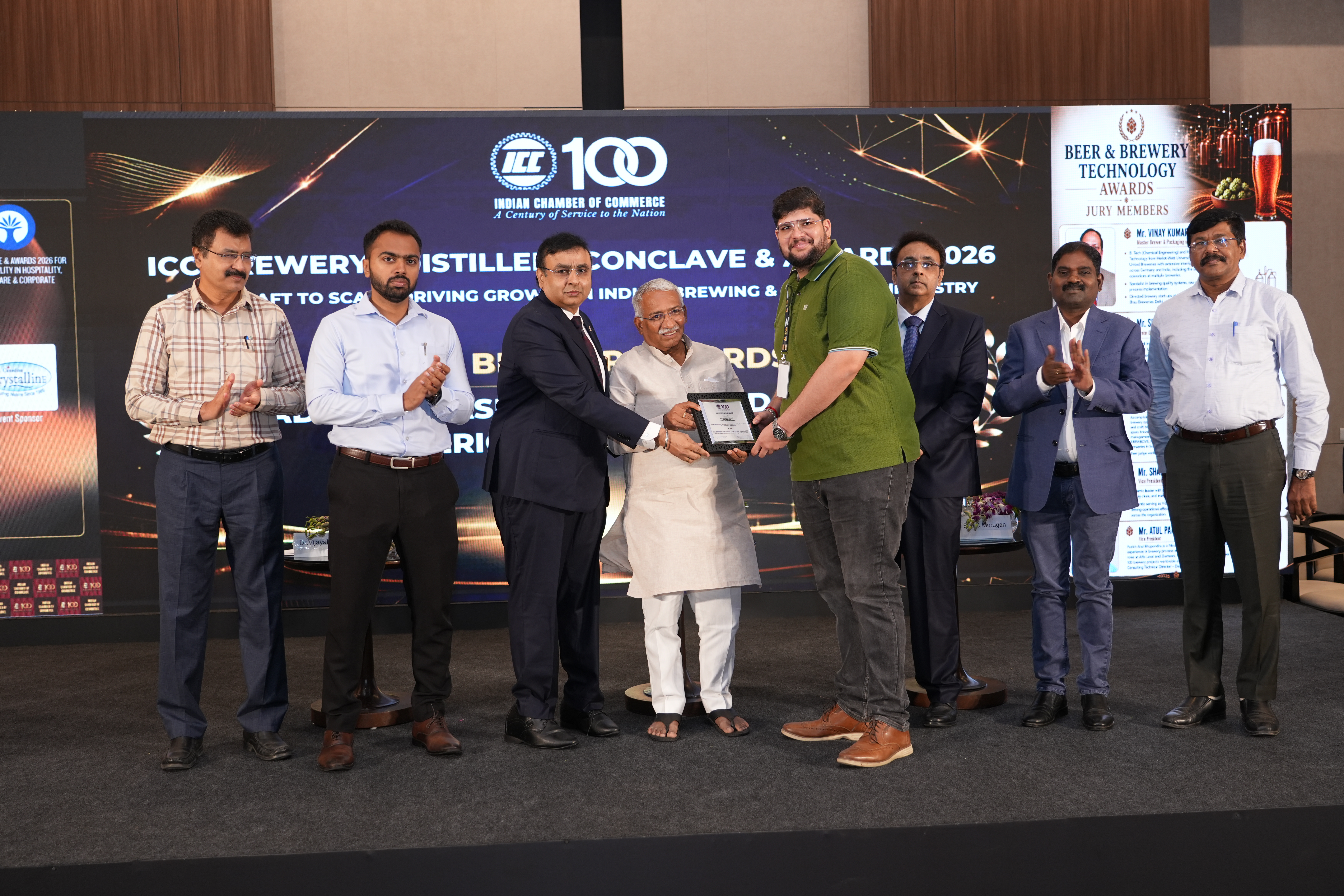
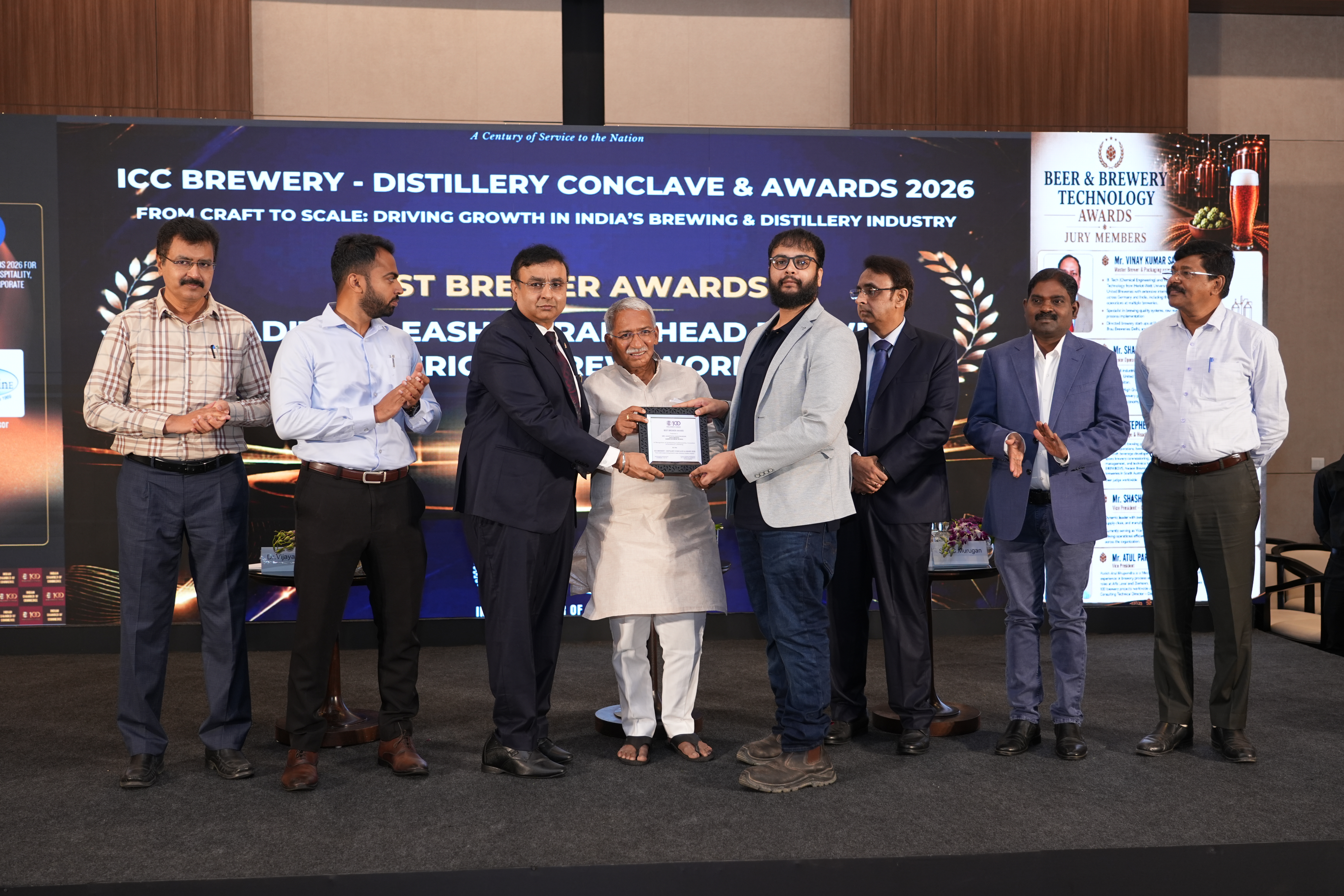
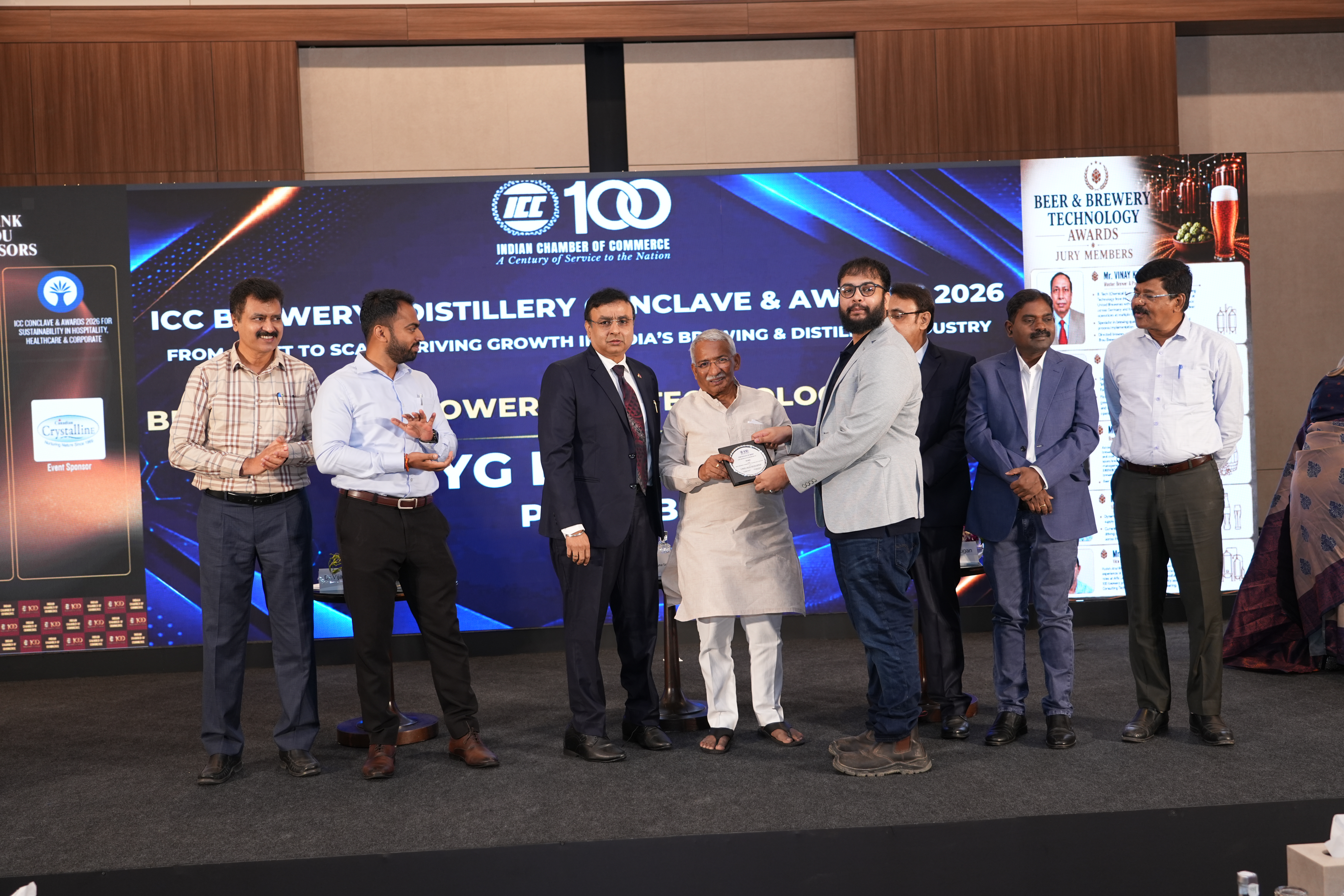
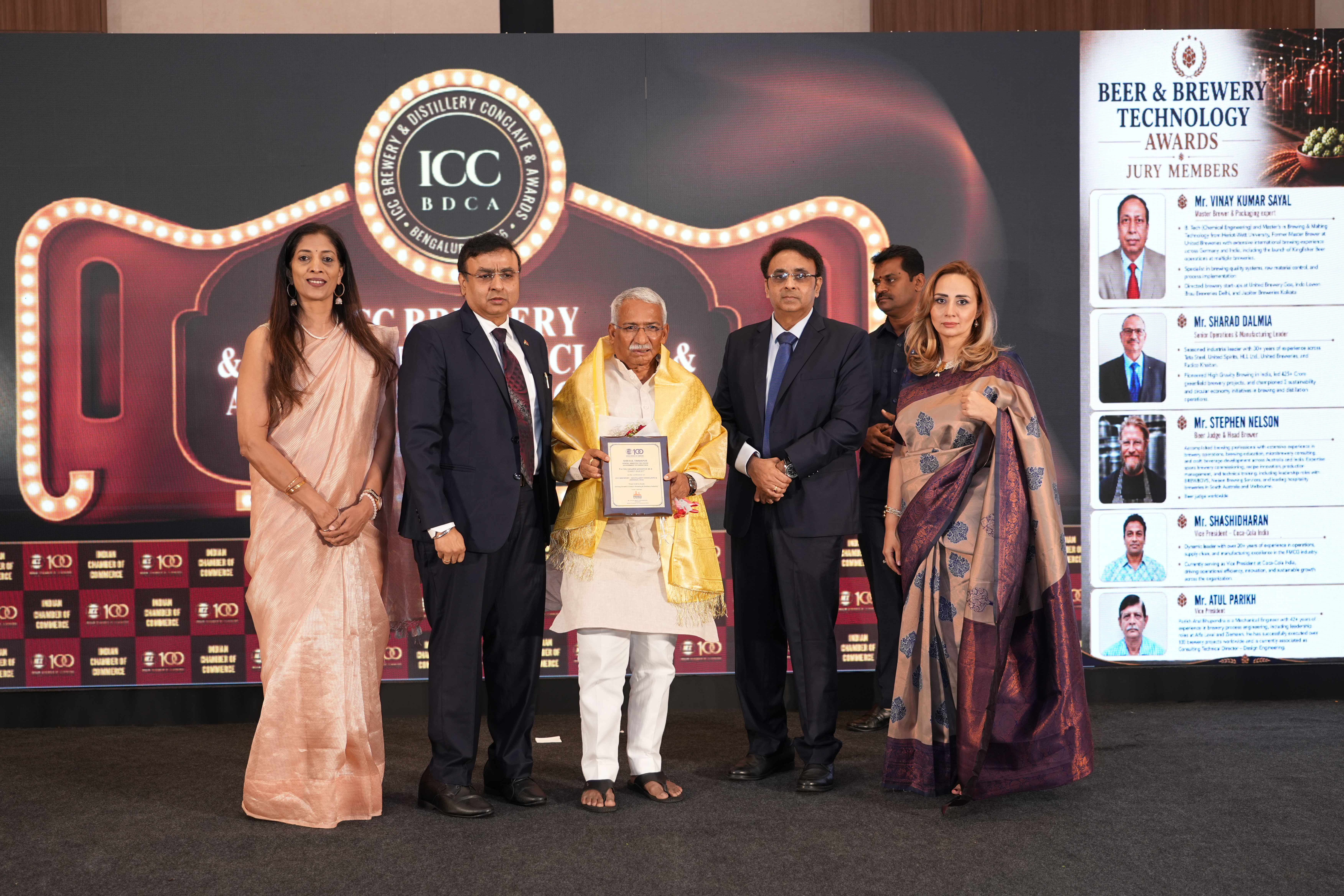
Awards&Achievements
Our relentless pursuit of excellence and innovation has been recognized globally. We take pride in the milestones we've achieved on our journey to transforming the industry.

Let's Discuss Your Packaging Needs
Reach out to our experts to find the perfect packaging solutions tailored for your business. We are here to help you succeed.
Call Us:
+91 93848 06105
Email Us:
info@seppasolutions.com
Location:
No. 7, Parivakkam Road , Chennai - 600 056, Tamilnadu, India.