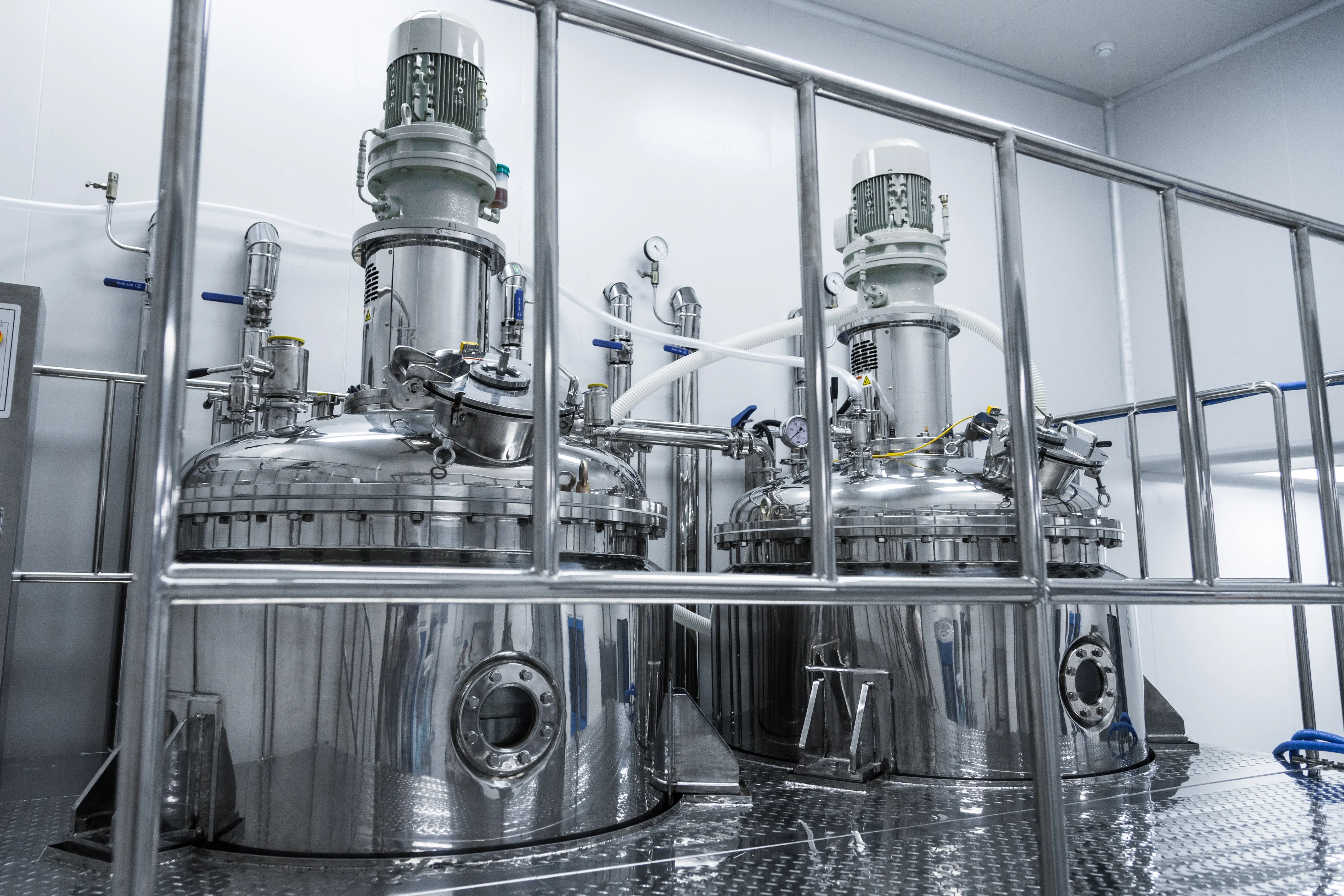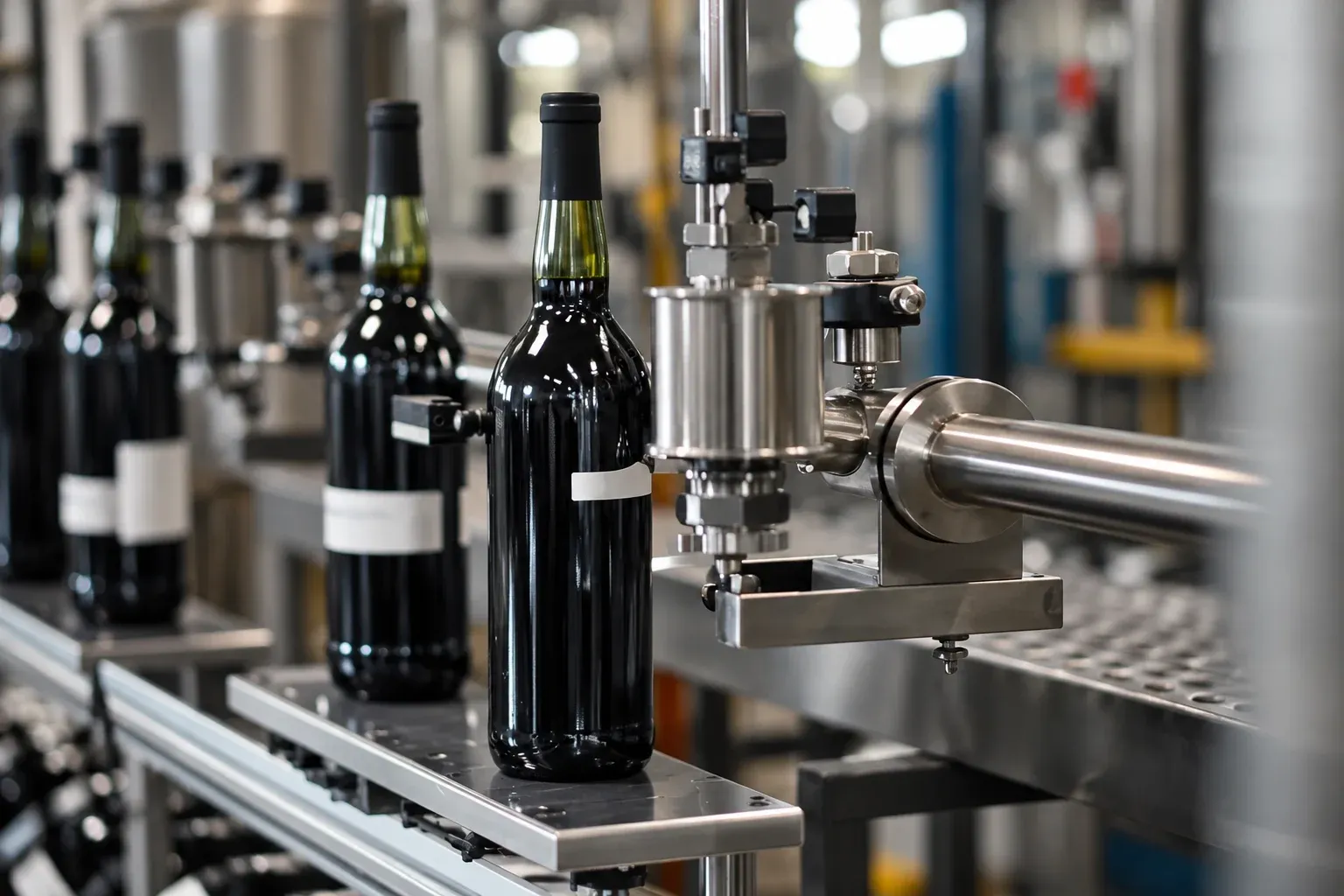
A warm fermenter. A soft drink line that suddenly foams. A chiller alarm at 2 a.m. Every beverage plant has lived through nights like these, and most trace back to a short list of repeat offenders. Here's how a seasoned plant director would walk you through refrigeration system troubleshooting, one fault at a time.
What Is Industrial Refrigeration and Why Is It Critical for Beverage Production?
The industrial refrigeration is the large cooling circuit that takes the heat from your product, tanks, and process water. It involves a compressor, condenser, expansion valve, and evaporator. If you are in the beverages industry, you cannot afford to be luxurious. Liquid at lower temperatures can hold more carbon dioxide, and therefore the carbonation will remain stable. Your product will not spoil easily since it will be cold. When your industrial cooling system goes off by just a degree, quality deteriorates before any alarms go off.
10 Common Industrial Refrigeration Problems Engineers Should Know
These are the refrigeration system problems I see most often on factory floors. Each one comes with the symptom, the usual cause and the fix.
1. Refrigerant Leaks
All these symptoms indicate loss of charge. The vibration causes damage to small diameter piping, packing at valves oozes, and flanges loosen due to years of thermal cycling. Detect the location of the leak using electronic detection equipment or a soapy water solution, fix it, and recharge based on weight. Adding refrigerant without fixing the problem will just be delaying the inevitable next call.
2. Fouled Condenser Coils
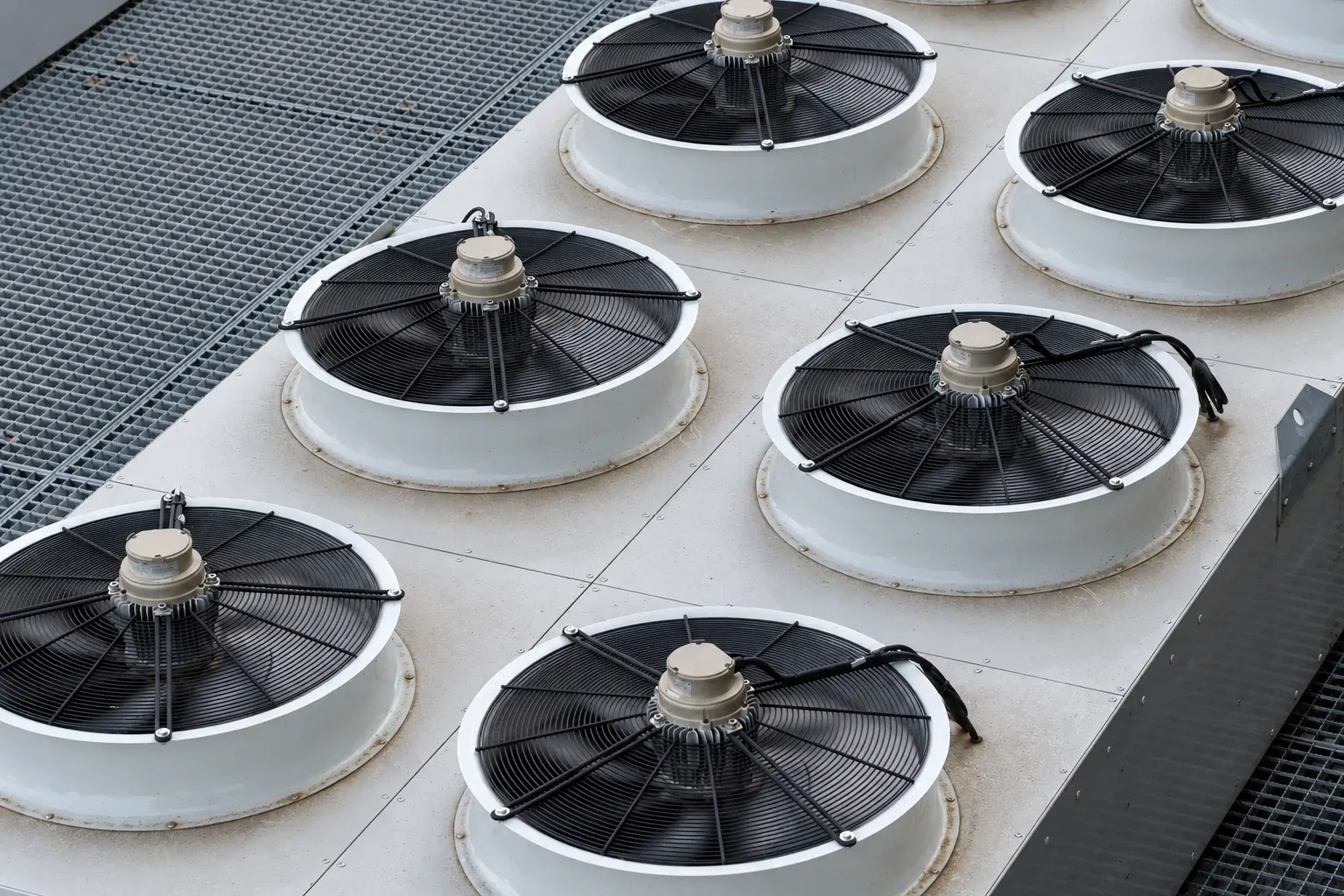
Scale, dust and biological growth act like a blanket on the condenser. Head pressure climbs, motor amps rise and capacity drops. Clean coils and tubes on a fixed schedule, check spray nozzles and water treatment on evaporative units, and confirm every fan is really spinning. This is the cheapest industrial refrigeration maintenance task with the biggest payoff, and skipping it strains the whole industrial cooling system.
3. Air and Non Condensables in the Circuit
If discharge pressure runs higher than the condenser temperature justifies, suspect air. It sneaks in through low side sections that run in a vacuum, or after careless servicing. Purge it, then hunt for the entry point. Otherwise you'll be purging again next month, and your industrial refrigeration system will keep paying for it in energy. Air is one of the sneakier refrigeration system problems.
4. Compressor Overheating
The discharge temperature is too high which burns the oil and bakes the seals. Some of the causes of this problem are high compression ratio, low suction flow, ineffective oil cooler or worn out parts. Before diagnosing a compressor, you should check the suction superheat, oil temperature and oil cooler efficiency. Regular maintenance of the refrigeration systems in industry identifies the problem at an early stage.
5. Liquid Slugging and Low Evaporator Superheat
Liquid refrigerant reaching the compressor is dangerous. You'll hear a knock, see frost on the suction line and read very low superheat. A stuck open expansion valve, a failed evaporator fan or poor defrost usually starts it. Liquid doesn't compress, so valves and rods break. Fix the feed problem fast, because no industrial refrigeration system tolerates it for long.
6. Expansion Valve Malfunction
A hunting valve swings superheat up and down. A restricted one starves the evaporator, giving high superheat and weak cooling. Blocked strainers, trapped moisture and a sensing bulb that lost contact with the line are typical. Clean, dry, reseat, and set superheat to your manufacturer's spec. Skipping this step turns refrigeration system troubleshooting into guesswork.
7. Compressor Short Cycling
Frequent starts and stops chew through contactors and motor windings. Oversizing, a tight pressure switch differential, low charge tripping the low pressure cutout, or a bad thermostat can all cause it. Log the start count per hour as part of industrial refrigeration maintenance. If it's climbing, don't wait for the motor to fail. No industrial refrigeration system is built for that abuse, and this is one of the refrigeration system problems that snowballs.
8. Oil Return and Oil Contamination
Oil that pools in the evaporator never gets back to the crankcase. Meanwhile moisture turns the oil into acidic sludge, which routine industrial refrigeration maintenance prevents. Check oil levels and the separator, sample the oil, and replace filter driers. A dark, sharp smelling sample is one of those refrigeration system problems that only gets louder if you ignore it.
9. Electrical and Control Failures
Loose terminations, pitted contactors, tripped overloads, drifting sensors and drive faults cause a surprising share of refrigeration calls. Run a thermal scan on panels, torque terminations, and check sensors against a reference. Half of these faults look mechanical until you pick up a meter, so include them in every round of refrigeration system troubleshooting. An industrial cooling system is only as reliable as its controls.
10. Evaporator Icing and Poor Defrost
Ice chokes airflow, so product cooling capacity falls even though the compressor runs happily. Check defrost heaters, termination sensors, drain lines and door seals. Left alone, it becomes one of those refrigeration system problems that drags the whole industrial cooling system below its rated performance.
Industrial Refrigeration Troubleshooting: How to Identify Cooling System Failures
Start at the process, not the plant room. What is product temperature doing, and since when? Then read your gauges. Compare suction and discharge pressures to saturation temperatures, and calculate superheat and subcooling. High superheat with low subcooling suggests a starved circuit. Low superheat means flooding risk. Trend logs add the timing: a slow drift usually means fouling or leakage, while a sudden step points to a failed component. When an industrial cooling system underperforms, data beats guessing every time.
Comparing Symptoms, Root Causes and Corrective Actions
| Parameter | Rotary Stretch Blow Molding | Linear Stretch Blow Molding |
|---|---|---|
| Output Speed (Bottles/Hour) | 15,000–60,000+ | 1,000–12,000 |
| Energy Efficiency per Unit | Higher continuous motion reduces idle cycles | Lower stop start cycling adds energy overhead |
| Footprint & Space Requirements | Compact relative to output; circular layout | Larger footprint per unit of output; linear layout |
| Best Suited Production Scale | High volume, single or limited SKU runs | Small to mid volume, frequent format changes |
Proactive Maintenance Strategies to Prevent Downtime
A structured industrial refrigeration maintenance program costs far less than an emergency callout. Here's what it should include:
• Oil analysis: sample twice a year to catch acid, moisture and wear metals early.
• Filter drier replacement: change after any open circuit repair and when pressure drop rises.
• Leak testing: run it on a fixed schedule and log every result.
• Coil cleaning: do it before summer, not during it.
• Sensor and control checks: verify calibration, setpoints and safety cutouts.
• Thermal and vibration scans: spot loose terminations and bearing wear early.
• Daily log reviews: trends expose refrigeration system problems weeks before alarms do.
Why Choose Seppa Solutions for Industrial Refrigeration in Beverage Production?
Seppa Solutions designs a custom industrial refrigeration system around your product, line speed and site conditions. The team fabricates sturdy equipment, including air cooled, water cooled and immersion chillers, and backs every installation with hands on refrigeration system troubleshooting support. Their engineers understand industrial refrigeration maintenance from the filler backward, and that practical view keeps every industrial cooling system running.
Frequently Asked Questions About Industrial Refrigeration Troubleshooting
1. How do I handle sudden refrigerant loss?
Treat it as a safety event first. Isolate the affected section, ventilate, and follow your site emergency plan, especially with ammonia. Then find the source before recharging. Steady refrigeration system troubleshooting beats panic every time.
2. What are the signs of compressor valve failure?
Look for reduced capacity, high discharge temperature, a small pressure difference between suction and discharge, and a compressor that runs constantly without pulling down.
3. How can I cut energy use during peak summer?
Keep condensers clean, use floating head pressure control where your design allows, and trim unnecessary load. Small pressure reductions add up across a long shift in any industrial cooling system.
4. How often should sensors be calibrated?
Once a year is a reasonable baseline. Check critical temperature and pressure sensors more often, and always after replacing a controller. It's a small line item in industrial refrigeration maintenance.
5. What makes refrigeration system troubleshooting effective?
The cycle to be followed is: verify that the symptom is really there, take readings of pressure and temperature, compute superheat and subcooling, verify electrical power and vary one element at a time. That will keep the system safe from harm.