Introduction: How Is the Beverage Production Industry Changing?
Think about the cooler at your local shop. A decade ago it held a dozen choices. Now it’s a wall of cold brew, low sugar sodas, functional shots and sparkling waters with a hint of yuzu. Shoppers want something new every few weeks, and they’ll drift away from brands that can’t keep up.
That’s a real headache for the old way of working. Traditional factories gave each product its own beverage production line, run for months at a time. Efficient, sure. But when a retailer asks for a seasonal flavour on six weeks’ notice, a single purpose beverage manufacturing plant has no good answer.
So the conversation in beverage production has changed. It used to be “how fast can we run?” Now it’s “how fast can we switch?” This guide covers what flexible manufacturing does to the beverage manufacturing process, where it pays off, where it bites, and how to decide if it’s your next move.
What Is Flexible, Multi Product Beverage Production?
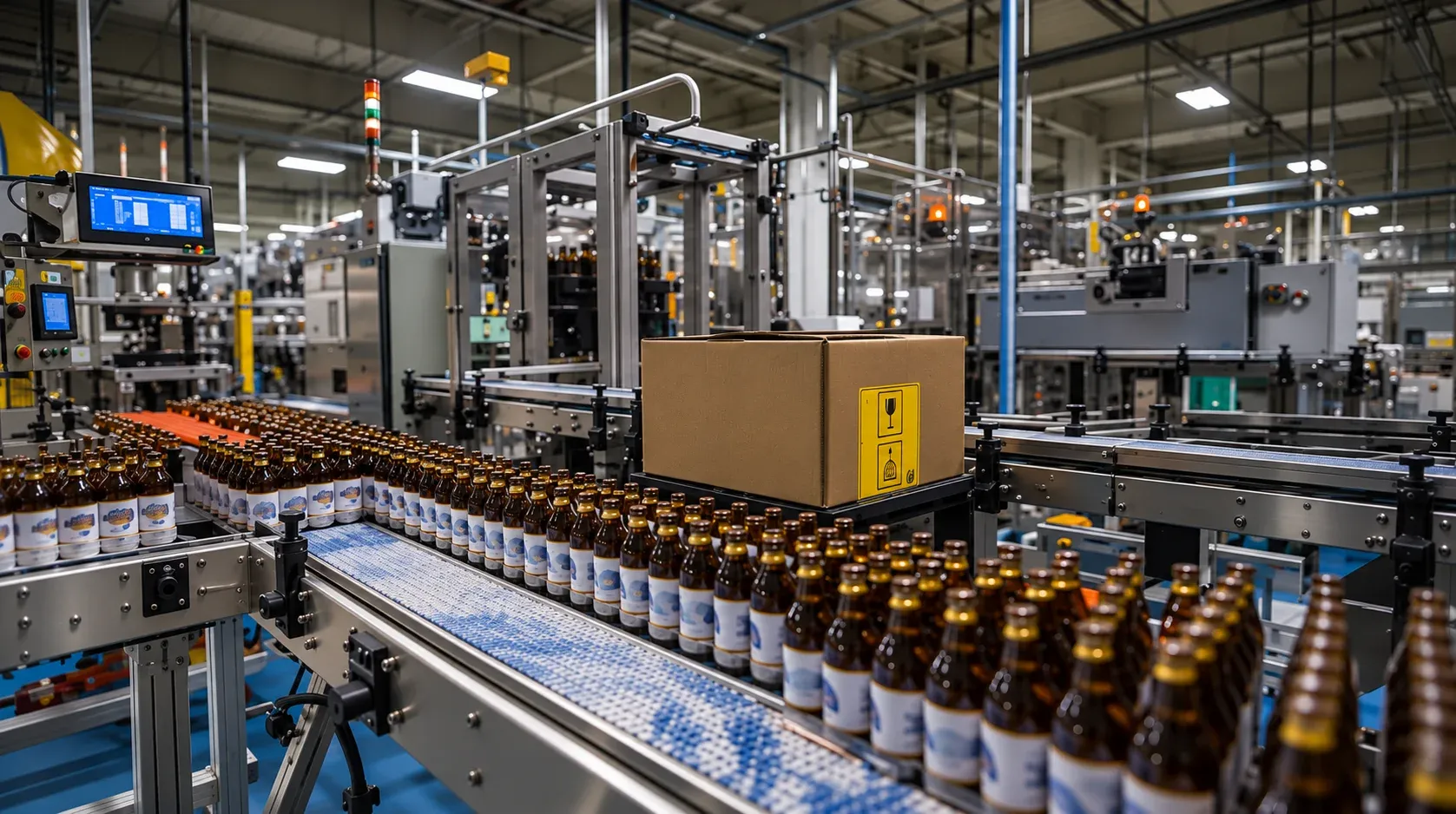
Beverages manufacturing flexibility refers to having one factory floor where many beverages can be produced without having to redesign everything whenever there is a change in products. Soft carbonated beverages on Monday, fruit juices on Wednesday, still water on Friday from the same line that manufactures beverages with common facilities.
The trick is in its design. Common facilities, flexible machinery and controls that know how to operate according to recipe and people do not have to. Manufacturing processes of beverages remain the same on the surface level: mixing, treatment, filling and packaging. What becomes different is the speed of switching between these stages. Rather than three different buildings we get one beverage manufacturing facility with intelligent zones: a clean room for syrups, flexible equipment for beverage processing and a filling machine capable of handling various vessels.
Engineers call this a multi SKU factory. Owners usually call it “finally being able to say yes to the customer.”
Why Are Beverage Manufacturers Moving Towards Flexible Production Lines?
Mostly money. Three pressures keep showing up.
In the first place, consumer trends outpace equipment development. Shelf space is continuously reconfigured, and consumer tastes change annually. In the second place, profit margins are slim. Idle beverage processing equipment is expensive, and a dedicated line sitting half empty between seasons quietly eats profit while its beverage filling machine earns nothing. Third, there’s risk. Betting the whole beverage manufacturing plant on one recipe feels bolder every year.
An adaptable beverage production line spreads that risk around. If lemon lime slows down, the same line picks up a functional tea. Nothing sits idle, and you don’t need fresh capital for every experiment.
Comparative Analysis: Dedicated vs. Flexible Lines
Here’s the quick side by side of two ways to run the beverage manufacturing process. The ranges are typical, not guaranteed, so treat them as a starting point for your own numbers
| Parameter | Traditional Single Product Dedicated Line | Modern Flexible Multi Product Line |
|---|---|---|
| Capital Investment & Footprint Utilization | Lower cost per line, but every product family needs its own line and floor space. Space often sits underused. | Higher upfront cost per line, but one shared footprint serves several product families. |
| Product Changeover Time & Downtime | Slow and manual. Changeovers can eat hours or a full shift. | Automated cleaning and recipe loading. Often minutes to an hour. |
| SKU Diversity & Market Responsiveness | Narrow. A new product usually means a new project. | Broad. New flavours and formats are added through recipes and change parts. |
| Overall Equipment Effectiveness (OEE) | Excellent on long single product runs, but drops fast when demand shifts. | Slightly lower peak, but steadier across mixed schedules. |
Key Technologies Transforming Modern Beverage Production
Three things make multi product runs realistic in today’s beverage manufacturing process.
Recipe Managed PLC Controls
The operators select products through the touchscreen display, and then the PLC controls valve positioning, flow, carbonation, and filling quantity. No clipboards, no guessing. Fewer manual settings means fewer mistakes, especially on the night shift.
Automated Sanitary Loops
Clean In Place Systems use the method where the system is cleaned using a caustic wash, rinsed and then an acidic and sanitizing solution. The temperature and conductivity levels are sensed, not timed. Well designed beverage processing equipment also helps: sloped lines, no dead legs, and sanitary valves that don’t trap yesterday’s flavour.
Versatile Filling Architecture
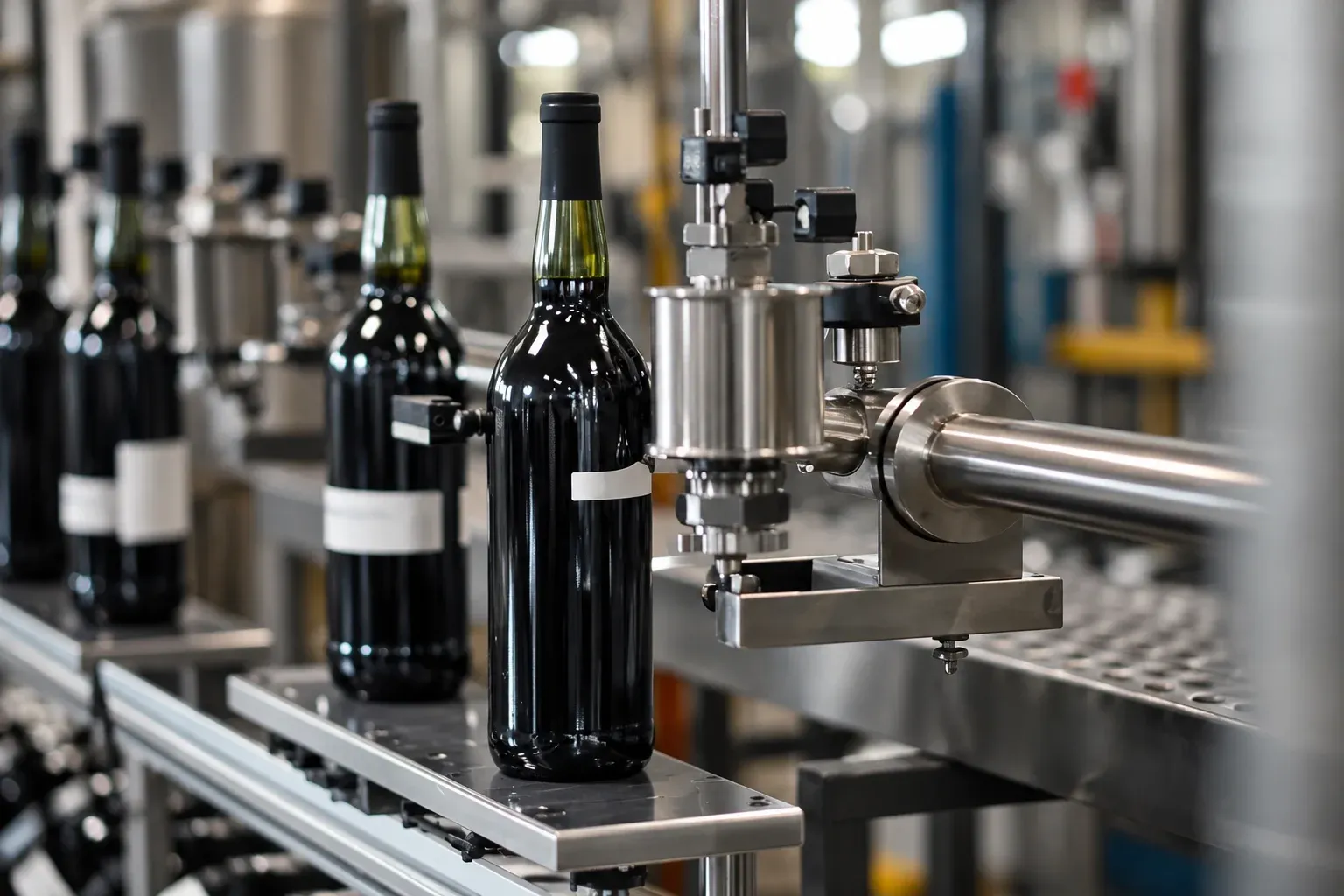
A modular monoblock rinses, fills and caps inside one frame. A good beverage filling machine swaps between bottle sizes using quick release change parts and servo adjustments. Some designs handle still and carbonated drinks with different valve groups. That flexibility is what turns a nice idea into a working beverage production line.
Benefits of Multi Product Manufacturing for Beverage Factories
• Less floor space. One shared footprint replaces several dedicated halls.
• Lower capital cost. You buy one smart system instead of three single purpose ones.
• Higher asset utilization. Beverage processing equipment and the wider beverage manufacturing plant earn money all year, not just at peak.
• Faster launches. A new flavour becomes a new recipe, not a new building, so beverage production keeps moving.
• Spread out risk. One weak product doesn’t sink the schedule.
• Easier growth. Adding a format often means a change part kit for your beverage filling machine rather than a new beverage production line.
Challenges of Implementing Flexible Beverage Production Systems
Let’s be honest. A flexible beverage manufacturing plant isn’t free, and it isn’t easy.
Cross contamination is the big one. Switching from a strongly flavoured or coloured product to a clear one demands a proven cleaning recipe, and that recipe needs validation, not hope.
Then there’s programming. In the flexible beverage production line, the changeover process will affect the valves, pumps, CIP systems, and the beverage filler system simultaneously. Ensuring that it works well is challenging, particularly within the initial weeks.
Finally, fine tuning matters. A pulpy juice behaves very differently from a carbonated drink, so the beverage processing equipment has to cope with both. Expect some trial and error. Operators need training too, because a flexible plant punishes shortcuts.
How to Choose the Right Beverage Production Equipment for Multi Product Manufacturing?
Start before you shop. Map your current beverage manufacturing process, step by step, and write down every product, container size and cleaning requirement you expect in the next five years. Then look at how the whole beverage manufacturing plant flows, from raw material to warehouse. That list drives everything.
Then check the details:
• Sanitary valves. Look for mix proof designs that let you run one product while cleaning next to another.
• Quick release tooling. If a changeover needs a toolbox and two fitters, it isn’t quick. Make sure your beverage processing equipment can be fully cleaned, with no dead legs.
• Scalability. Ask whether the controls and the beverage filling machine can accept new formats and speeds later.
• Supplier support. You’ll want commissioning help and spare parts nearby.
Ask for a live changeover demo, not just a brochure. Watching a team swap formats tells you more than any spec sheet.
The Future of Beverage Production: Industry Outlook and Frequently Asked Questions (FAQs)
1. How do you manage flavour carryover risks?
Validated CIP recipes, mix proof valves on shared beverage processing equipment, and a planned product sequence (light to dark, mild to strong). Test the final rinse before every release.
2. How do you estimate ROI on a flexible upgrade?
Consider the increased capex, like that of a bottle filler with quick-change components, versus the saved downtime, second lines, and revenue from the faster roll out. Your own changeover records, not brochure statistics, should be used here.
3. How should operators be trained?
Hands on, on the real equipment. Teach the “why” behind each step of the beverage manufacturing process, then rehearse changeovers until they feel boring.
4. What utilities does a multi product beverage production line need?
A lot of fresh water, steam or hot water for cleaning in place, compressed air, CO2 in case of producing carbonated beverages, and adequate drainage. Check capacity early.
5. Where is the industry heading long term?
Toward more automation, smarter scheduling and smaller, more frequent batches. Expect every stage of the beverage manufacturing process to get more data driven. Beverage production plants that adapt now will have the easiest road later.