Think of a medium sized bottling company. It bottles pure water on Mondays, orange juice on Wednesdays, and perhaps a cola contract for the next quarter.
Does the company require three plants? Maybe not. The right answer is yes if it plans well. This is what the company can and cannot divulge.
What Is a Beverage Production Line and How Does It Work?
Beverage production lines are merely sequences of machines which convert liquid raw material into a bottled and packaged beverage. Visualize a relay race each machine transfers the bottle to the next; and in case one drops the baton, everyone after it comes to a standstill.
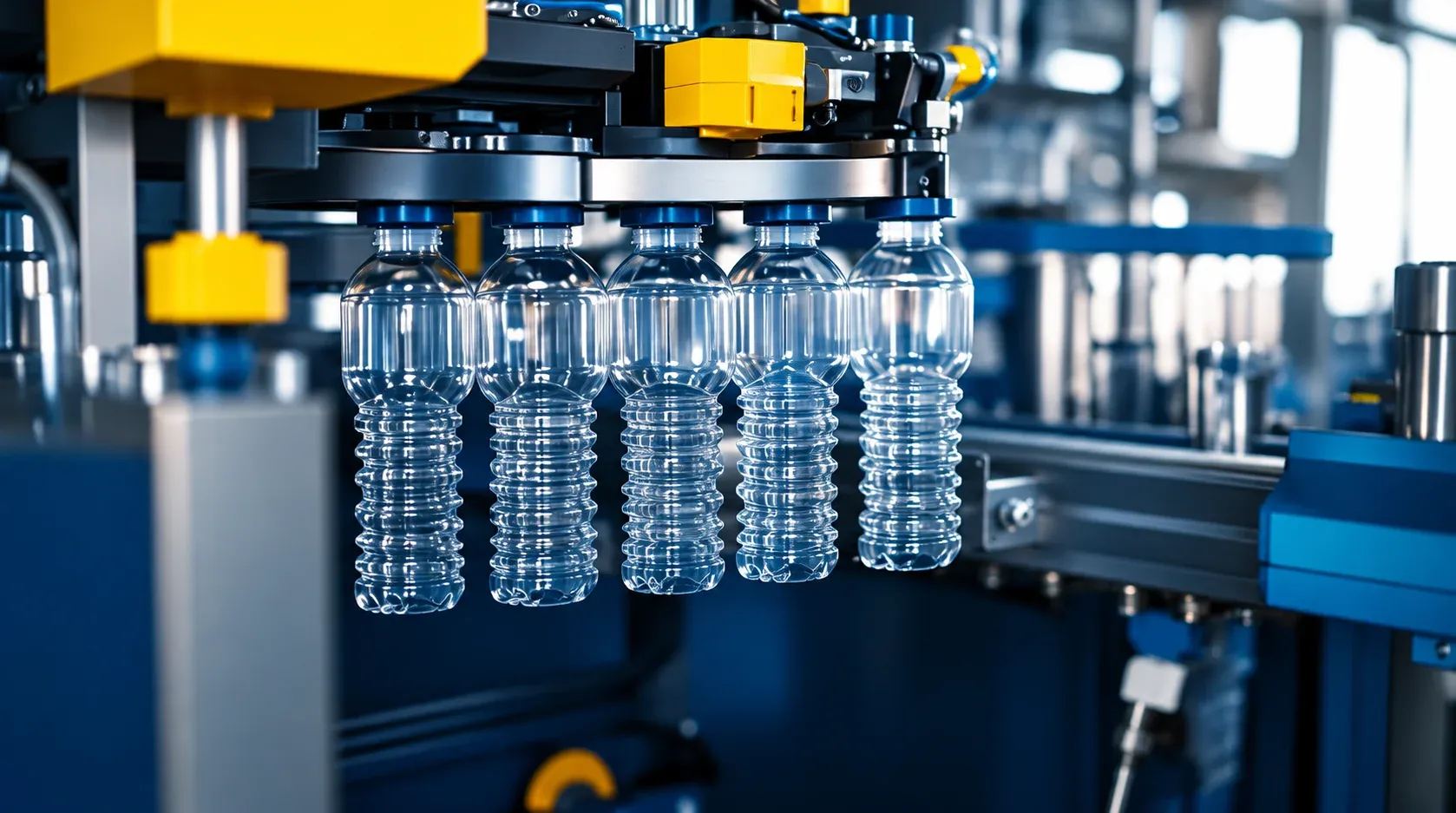
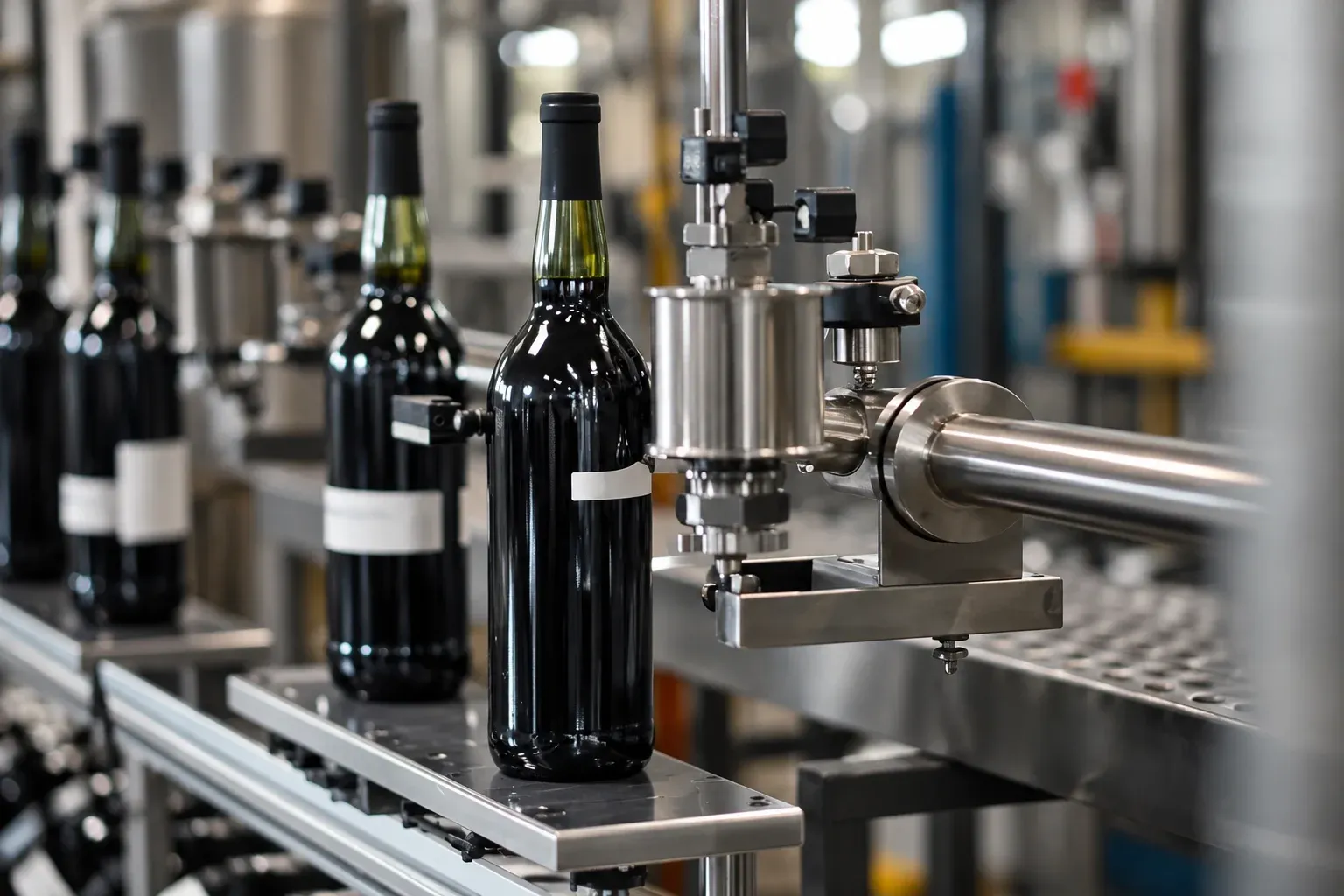
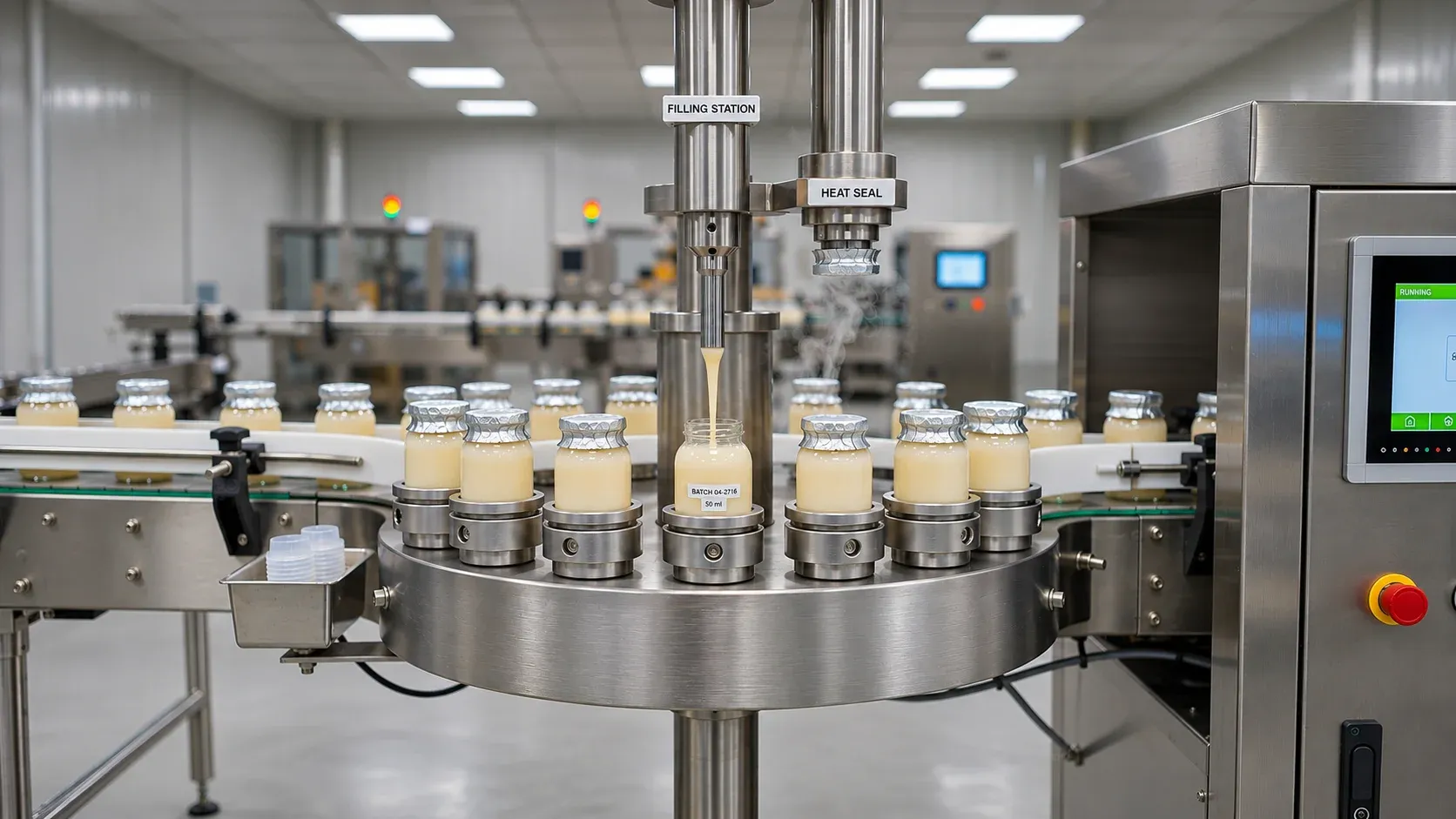
The initial segment involves the liquid itself. This is your beverage processing line filtration of water, blending of juice, heating of juice, blending and carbonation of soft drink syrup. The second segment is known as the beverage bottling line where bottles are cleaned, filled, capped, labelled and packed on pallets. All beverage production lines follow such a design.
Both segments do not necessarily correspond to each other exactly. Various beverages may utilize the same packaging machines as long as the bottles, caps and conditions for filling are compatible. Such an approach lies at the core of flexible beverage manufacturing, which is the reason why water bottling plants typically become the starting point of diversification.
Can One Beverage Production Line Manufacture Water, Juice and Soft Drinks?
Yes, but not by pushing a different liquid through the same pipe and crossing your fingers. Each drink stresses the filler in its own way, so the real question in beverage manufacturing is how much of the beverage processing line and filler you share.
Water is the easy one. It flows nicely, and a gravity or flow meter valve handles it, which is why a water bottling plant is usually the simplest platform to build on. Juice is fussier. Pulp needs wide product paths, and many juices are filled hot, around 85°C, so you need heat set bottles and a cooling step after capping. Soft drinks are all about pressure. Carbonation wants cold product and an isobaric valve, which matches bottle pressure to tank pressure before any liquid moves.
So here's the split I'd draw. An isobaric filler can run still water too, because you simply switch off the counter pressure step. A gravity filler can't run soda at all. Full stop. Juice sits in the middle, and pulpy or hot filled products often want their own valve set.
The smart design shares blowing, conveying, labelling and packing across the beverage bottling line, and shares the filler only where physics allows. That's what a sensible multi beverage production line looks like in practice, and it lets one beverage production line serve several markets.
Key Equipment Required for a Multi Beverage Production Line
• Water treatment skid: filtration plus UV or ozone sanitizing. It anchors any water bottling plant and feeds your syrup blending too. • Syrup room and carbonator: concentrate meets treated water, then CO2 gets dissolved at the right temperature. • Pasteurizer or hot fill unit: a plate heat exchanger or tunnel pasteurizer in the beverage processing line, with a bypass so water and soda can skip it. • Multi product filler: isobaric valves with a still mode, plus a wide bore option for pulp. This one machine decides how flexible your multi beverage production line really is. • Capper with changeable chucks: different closures need different torque, so ask about quick swap tooling. • CIP skid: cleans the product path without anyone dismantling the filler. • Labeller, coder and packer: adjustable guides that cope with several bottle shapes in one beverage bottling line. • Tool free conveyors: the unglamorous workhorses behind efficient beverage manufacturing.
Comparative Analysis: Dedicated Plants vs. Flexible Beverage Production Lines
Here's the short version, side by side.
| Parameter | Single Product Dedicated Plant | Flexible Multi Beverage Production Line |
|---|---|---|
| Initial Capital Expenditure (CapEx) | Lower for a single water bottling plant, but repeated for every new category | Higher upfront, yet one shared back end replaces several |
| Factory Floor Space Required | Large, with separate footprints and utilities | Compact, with shared conveyors, packing and utilities |
| Product Changeover Time & Downtime | Almost none, since nothing changes | Planned CIP and format stops, kept short with good tooling |
| Overall Asset Utilization & Flexibility | Idle in the off season, hard to pivot | Busy all year, new products need no new plant |
How to Switch Between Different Beverages on the Same Production Line
Changeovers are where a flexible beverage production line wins or loses. Rush one on a beverage bottling line and you lose time, sometimes a whole batch. Plan it well and it's almost boring. Boring is what you want.
Plan the Production Order
Go mild first then strong, and clear first then coloured water, clear soft drink, coloured drink, and finally fruit juice. Do it the other way round and you will waste more and run the risk of flavour ghosting.
Run the CIP Cycle Properly
The basic CIP process is comprised of pre rinse, hot alkali, intermediate rinse, acid wash, and final rinse. Particular emphasis is needed on juice cleaning because of the presence of sugar and pulp which provide easy feast for microbes. Conductivity testing and swab test needs to be done for validation. Time alone will not suffice.
Swap the Container Handling Parts
Star wheels, neck guides, grippers and capping chucks all change with the bottle. Colour coded kits and quick release clamps take real minutes off this step across your commercial beverage bottling line.
Benefits of a Flexible Beverage Production Line for Manufacturers
Why make such an effort in design? Because you build only one facility for the utilities, packing, and operators, and not three. Your overhead costs go down and your water bottling plant becomes profitable because it makes juice and soda along with the water.
Time is important as well. When the retailer wants a limited seasonal product, you have a recipe and a production schedule but no new building to construct. Also, since your income comes from water, juice, and soda, a poor performance in any one of them doesn’t drag you down.
Key Challenges in Multi Beverage Manufacturing and How to Overcome Them
Flavour Carryover
Even good CIP leaves traces if beverage processing line piping has dead legs. Choose short, drainable runs and schedule strong flavours last.
Recipe Changes in the PLC
Every drink has its own fill level, carbonation, temperature and hold time. Lock each as a recipe so operators pick a product instead of typing numbers at 3 a.m.
Staying Efficient Across a Complex Multi Beverage Production Line
Beverage manufacturing efficiency slips quietly, so track equipment effectiveness per product, not just per line, and group similar products into campaigns. If a product keeps dragging efficiency down, the data shows it.
Why Choose Seppa Solutions for Your Beverage Production Line?
Seppa Solutions designs each beverage processing line with flexibility built in from the first drawing. Expect custom modular systems, ranging from small water bottle plant to complete multi-product facility, quick change over tooling that minimizes format changeover times, and a full turnkey package from design through installation and operator training.
Systems include rinsers, fillers, cappers, blow fill cap monobloc systems, aseptic fillers, chillers, conveyor systems, and palletizers. Planning on making beverages in your plant with more than one type of product? Contact Seppa Solutions before you set your layout in concrete. It's much less expensive to design in than it is to add after the fact.
Frequently Asked Questions About Multi Beverage Production Lines
1. How do you manage allergen and flavour segregation?
On a multi beverage production line, sequence products from mild to strong, run validated CIP between them, and label every tank and hose.
2. What utility changes does a multi product setup need?
For a bottled water facility expanding to manufacture soda, design the CO2 system, steam/hot water for juice and CIP, chilling for carbonation, and compressed air. Adding a steam line after the walls are up comes as an expensive surprise.
3. How do you train plant floor operators?
Use checklists, colour coded parts and short hands on drills for beverage manufacturing crews.
4. How do you maintain seal integrity across different caps?
Set cap torque by recipe and test it every shift on the beverage bottling line.
5. What will long term maintenance cost?
More product types mean more wear parts and seals on your beverage bottling line. Budget a spare kit per format and a preventive schedule tied to running hours. A flexible beverage production line still costs less than running separate plants.