Self Adhesive Labellers: Precision Technology for High Speed Production Lines
SelfAdhesiveLabellers:PrecisionTechnologyforHighSpeedProductionLines
If you've ever watched a bottle move through a production line and wondered how that label gets on perfectly straight every single time that's self adhesive labellers doing what they do best. No glue pots, no mess, no manual alignment. Just clean, repeatable accuracy at throughput rates that would have seemed ambitious two decades ago.
At Seppa Solutions, we build these systems for FMCG manufacturers who can't afford label errors at production scale. This page covers the technology, the engineering decisions that actually matter, and why getting the right automatic labeling machine specified from the start saves significant money downstream.
WhatAreSelfAdhesiveLabellers?
Self adhesive labellers are automated dispensing systems that apply pre-cut, pressure-sensitive labels to containers without liquid adhesives. The label stock sits on a silicone-release liner; the machine peels each label at a calibrated peel angle and transfers it directly to the product surface.
The industry shift away from wet-glue systems wasn't arbitrary. Self adhesive labellers eliminated glue tank maintenance, reduced SKU changeover time, and removed the inconsistency that comes from adhesive viscosity changing with temperature. Cold storage facilities particularly benefited — wet glue never performed reliably near 4°C, but pressure-sensitive adhesives handle it without issue. From a compliance perspective, the cleaner process profile also simplifies documentation in pharmaceutical and food-grade environments.
KeyFeaturesofaPrecisionSelfAdhesiveLabelingMachine
Servo Controlled Web Drive: The core of any precision self adhesive labeling machine is the web drive system. Older DC motor setups worked but lagged behind conveyor speed changes, which caused dispense timing drift at high throughput. Servo-driven systems respond in milliseconds. The dispense head and conveyor stay synchronized even through acceleration and deceleration ramps — critical when running 400+ containers per minute. Seppa's automatic labeling machine platforms use closed-loop servo control with position feedback from the liner encoder. Label pitch is stored in the PLC recipe. On a product changeover, the operator loads a new recipe and the machine recalibrates automatically. No mechanical sprocket adjustments, no production holds.
Sensor Accuracy and Label Registration: Label placement accuracy on a Seppa packaging labeling machine is held to ±0.5 mm under normal production conditions. Achieving this requires non-contact sensors that detect label leading edges and product reference points without touching either. We use retroreflective fiber optic sensors rated for contaminated environments — because real production floors have condensation, cleaning agents, and airborne particulate. Product detection triggers the dispense countdown. Timing between detection and dispense is set at the PLC recipe level, not mechanically, which means the same automatic sticker labeling machine can handle a 500 ml round bottle in one recipe and a rectangular carton in the next.
•Web Tension Management: Label wrinkling and bubbling almost always trace back to liner tension problems. If tension is too low, the label feeds inconsistently. Too high, and the pressure-sensitive adhesive activates before the peel plate, creating pre-lamination defects. Seppa's self adhesive labelling machine designs use active dancer arm systems with pneumatic back-pressure control, maintaining constant liner tension as the reel diameter decreases through the roll.
ApplicationsAcrossIndustries:WhereSelfAdhesiveLabellersAreUsed
Beverage Lines — High-Speed Bottle Labeling Machine Applications: Beverage facilities run fast and run cold. A bottle labeling machine in a carbonated drinks plant might apply front, back, and neck labels simultaneously in a single inline pass. Seppa's multi-head bottle labeling machine configurations handle this with independent servo-driven dispensing units, each with its own web drive and registration sensor. Throughput on still water lines regularly exceeds 600 bottles per minute. Wrap-around application for cylindrical containers requires precise angular synchronization between bottle rotation and label dispense rate. Our bottle labeling machine platforms include programmable rotary systems that time the rotation to the linear label feed.
•Pharmaceutical Labeling: Pharma carries different requirements. Our automatic sticker labeling machine systems for this sector include integrated vision inspection — cameras that verify label presence, orientation, and barcode readability before the container exits the station. Rejects are diverted automatically via pneumatic diverters, with fault events logged to the batch record. These builds also support serialization systems, where each label's unique identifier is read, verified, and uploaded to a compliance database in real time.
•Cosmetics and Personal Care: Cosmetic containers frequently have curved or tapered geometry. A standard labeling system with fixed-angle application heads struggles here because the label can't conform evenly to a curved surface. Seppa addresses this with air-brush application heads that tack the label's leading edge via controlled air flow, then guide the remainder onto the surface with a compliant foam roller — no localized pressure that could deform lightweight packaging.
BenefitsofAutomatedSelfAdhesiveLabeling
The numbers are straightforward. Labor for manual or semi-automatic labeling on a medium-scale facility typically runs four to six operators per shift. A fully automatic labeling machine reduces this to one operator managing multiple lines from a central control station.
The larger gain is OEE. Self adhesive labellers running Seppa's servo architecture regularly achieve labeling station availability above 98% during planned production windows. Label mis-application waste drops below 0.2% at calibrated throughput. For a facility running 8 million units monthly, that's a real saving — not a theoretical one.
The usual objection is capital cost. The counter-argument is always the same: add up your current defect rate, rework labor, jam stoppages, and batch rejection incidents. Payback tends to close faster than finance teams expect.
WhyChooseSeppaSolutionsforSelfAdhesiveLabellers
We don't sell catalogue systems. Every self adhesive labellers project at Seppa begins with a process audit — existing line layout, product range, label substrates, throughput targets, regulatory requirements. The machine configuration follows from that audit, not from a product brochure.
Our engineers have worked across beverage, pharma, agrochemical, personal care, and food packaging sectors. When a customer with an unusual bottle geometry comes to us for a self adhesive labelling machine, we've solved similar substrate problems before. Post-commissioning, Seppa's systems are supported with documented preventive maintenance schedules, application-specific spare parts kits, and remote diagnostic access where customers permit it.
•The benchmark we hold: our self adhesive labellers should run 30 consecutive days of production without unplanned stops from the labeling station. Not testing days. Production days.
Methodology:HowtheSelfAdhesiveLabellingProcessWorks
Step by Step
Product in-feed
Containers arrive from upstream at defined spacing. Consistent pitch between containers is required for the dispense cycle to sync correctly.
Detection
A fiber optic sensor detects the container's leading edge. The PLC timestamps the detection and initiates the dispense countdown per the stored recipe.
Label peel
The liner runs over the peel plate at 25°–35° depending on stock characteristics. The label separates from the liner and extends off the peel plate tip, held briefly by an air-assist jet.
Application
The packaging labeling machine transfers the label to the container via roller pressure or air-brush, depending on the head configuration.
Inspection and reject logic
A downstream vision sensor verifies label presence and position on every unit. Failed containers are ejected automatically, and the event is logged with timestamp, container count, and fault code.
FrequentlyAskedQuestions
EmpoweringIndustryLeadersWorldwide














CollaboratingwiththeBestintheIndustry



Awards&Achievements
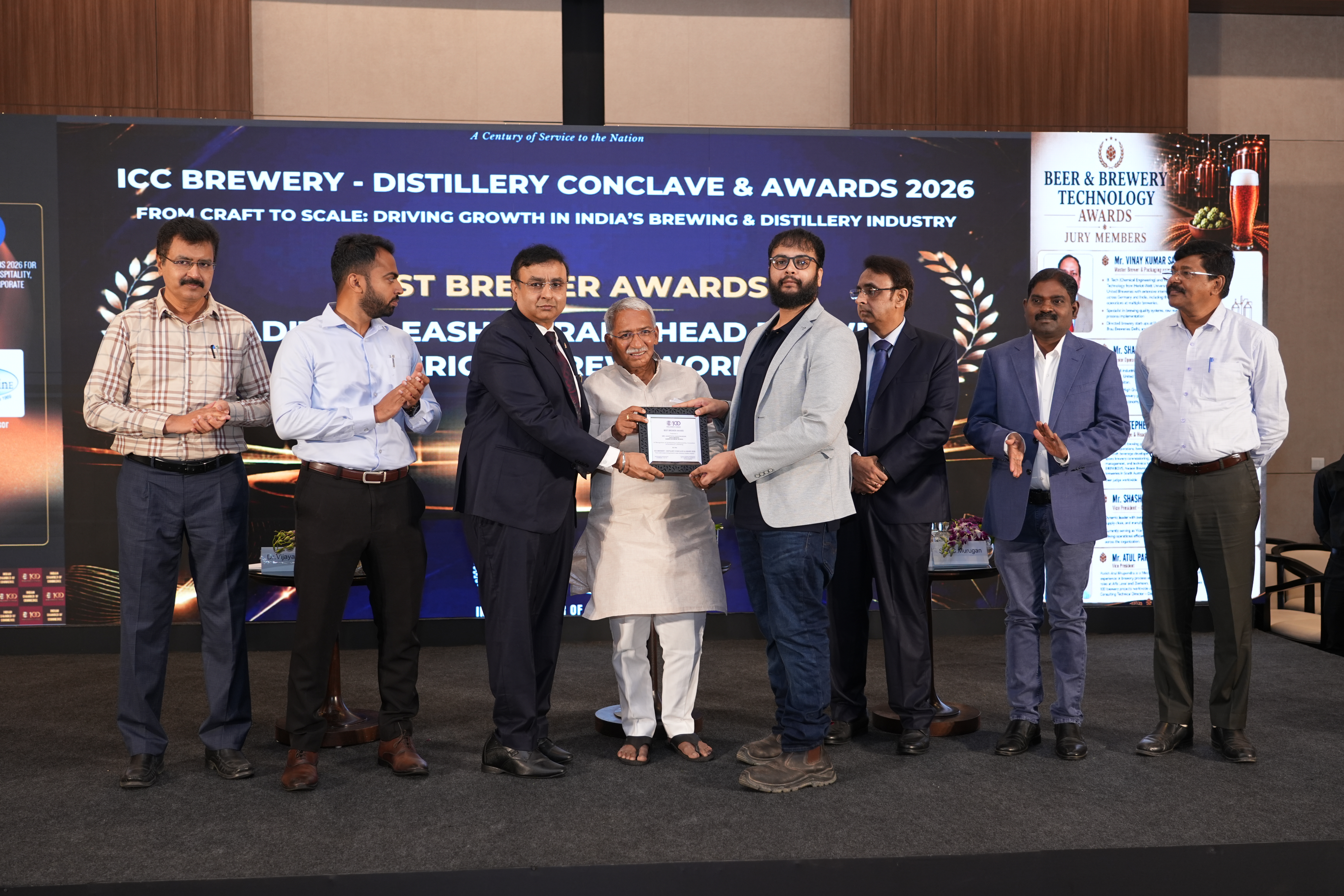
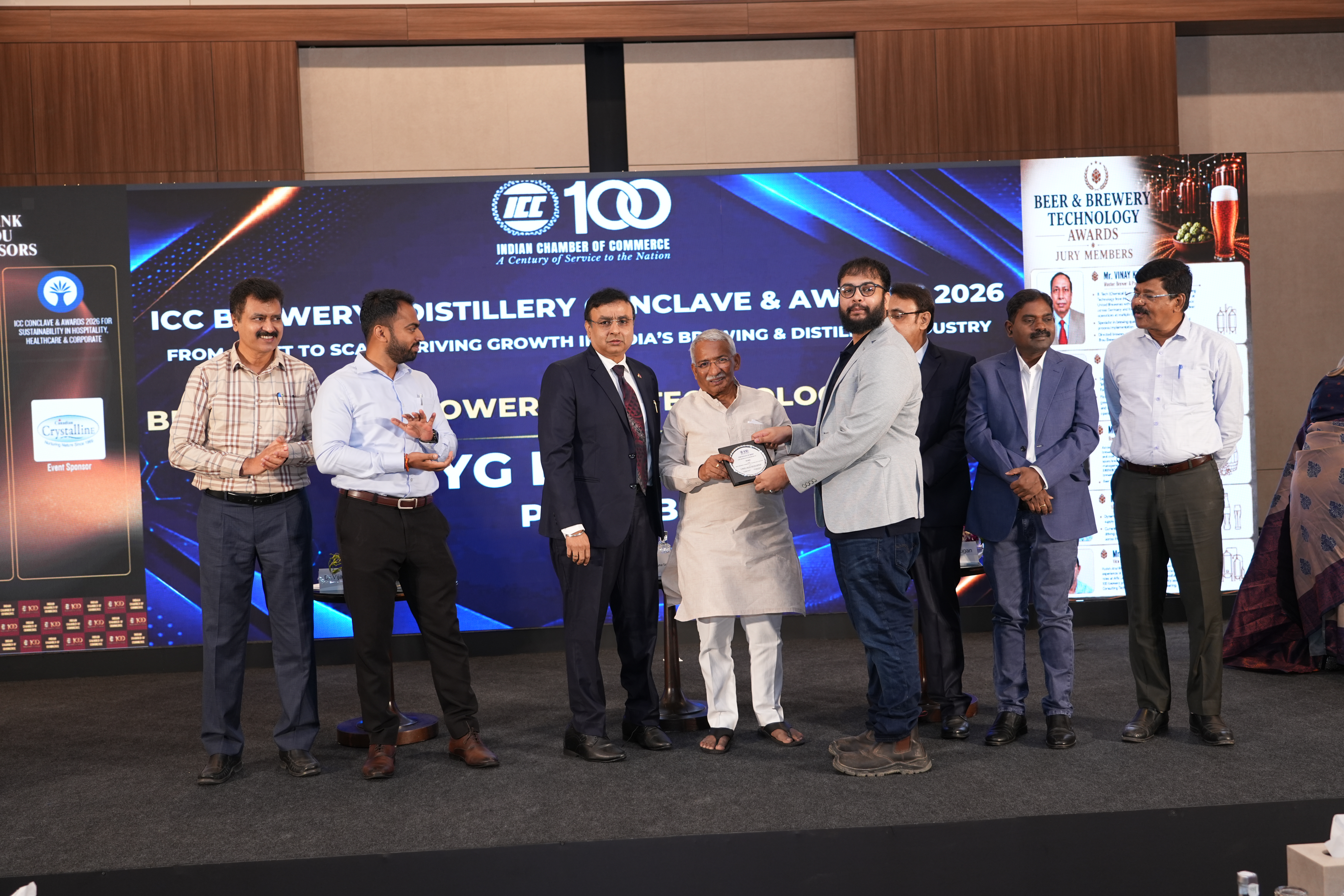
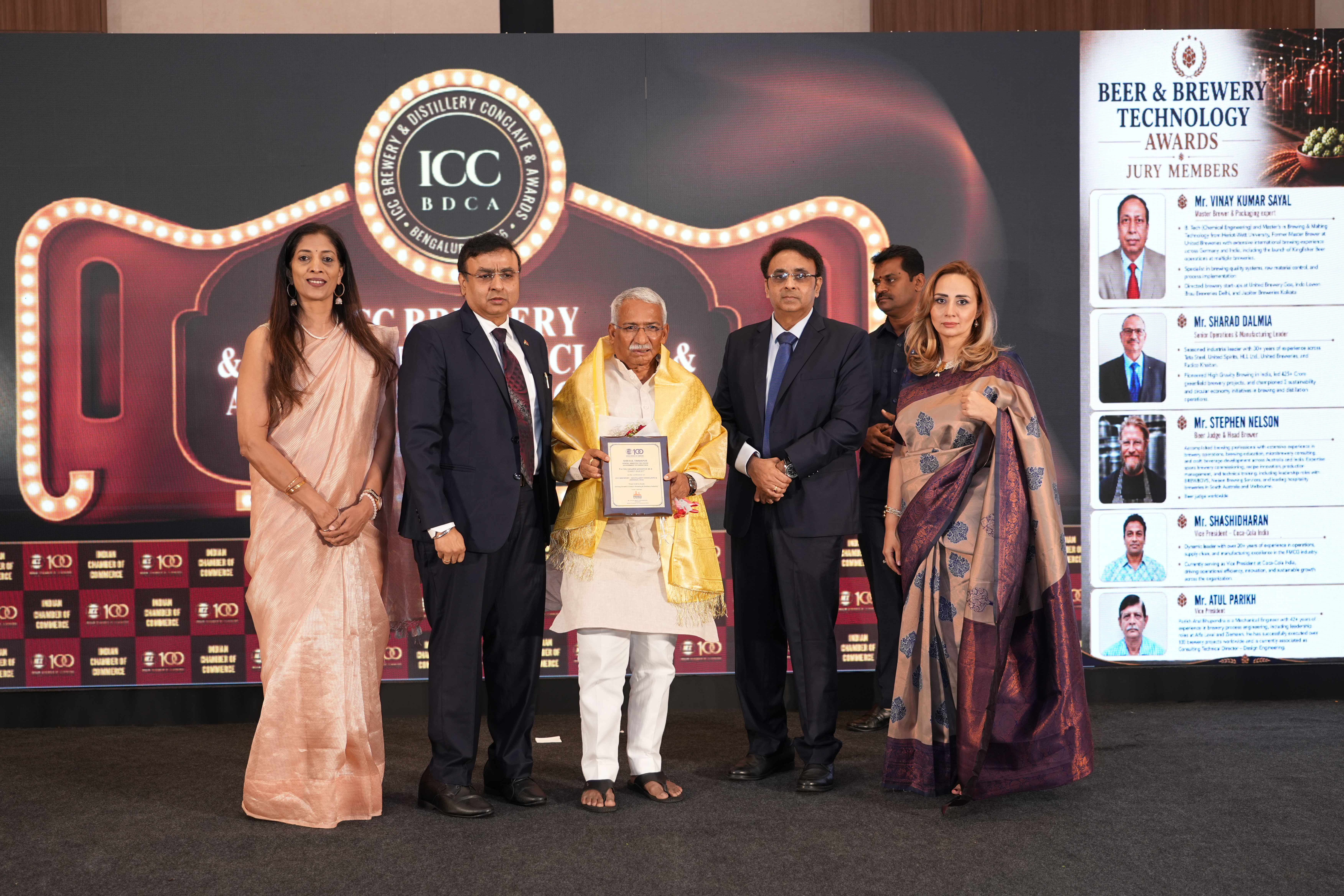
Our relentless pursuit of excellence and innovation has been recognized globally. We take pride in the milestones we've achieved on our journey to transforming the industry.


Let's Discuss Your Packaging Needs
Reach out to our experts to find the perfect packaging solutions tailored for your business. We are here to help you succeed.
Call Us:
+91 93848 06105
Email Us:
info@seppasolutions.com
Location:
No. 7, Parivakkam Road , Chennai - 600 056, Tamilnadu, India.