SEPPA SSB-R10: Rotary PET Bottle Blowing Machine for High Volume Production Lines
OverviewoftheSEPPASSB-R10RotaryPETBottleBlowingMachine
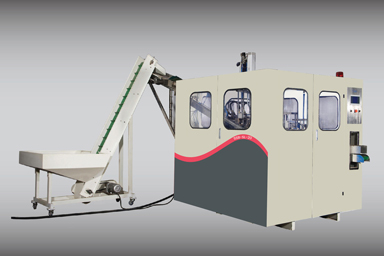
Rotary blow molding solved a problem that linear systems never fully cracked: how do you keep ten cavities producing bottles at identical wall thickness, hour after hour, without one station drifting out of spec? The SEPPA SSB-R10 answers that question with a continuous motion carousel built for plants that can't afford downtime. It's not a machine you buy to fill a gap in a production line—it's the machine the rest of the line gets built around.
Most manufacturers describe their equipment as an auto blowing machine and leave it there. That undersells what the SSB-R10 actually does. Rotary kinematics let preforms move through heating and forming stages in one uninterrupted arc, so the machine isn't stopping to index between cycles the way a shuttle system does. For a facility running three shifts, that difference compounds into thousands of extra bottles a day. Seppa engineers designed the SSB-R10 specifically to push rotary auto blowing machine output past what most plants think is achievable on a ten cavity platform, and the mechanical tolerances reflect that ambition rather than apologize for it.
Plants evaluating an auto blowing machine purchase at this scale usually start with throughput numbers, but the more useful question is what happens to that throughput after month six. A carousel that can't hold its own calibration under continuous load isn't really an auto blowing machine in the sense a high volume plant needs—it's a fast machine that happens to also need constant babysitting.
PerformanceBenefitsandProductionEfficiency
The efficiency case for the SSB-R10 comes down to three numbers most plant managers already track: uptime, energy cost per bottle, and reject rate. Rotary continuous motion improves the first by removing the stop start cycling that wears out mechanical components faster on shuttle systems. Advanced pneumatic air recovery cuts the second—recovered high pressure air from the blow-valve exhaust gets redirected into the pre blow stage instead of vented, which measurably lowers compressor load over a full production run. The thermal and pressure monitoring described earlier handles the third.
Put together, this is why an automatic bottle blowing machine built on rotary architecture becomes the default choice for plants chasing higher OEE rather than just higher rated speed. A machine that runs at its nameplate capacity for twenty hours a day beats one that hits a higher peak number but needs constant operator intervention. That's the gap between a spec sheet and an actual production shift, and it's where the SSB-R10's engineering earns its keep.
ApplicationsAcrossBeverageandPackagingIndustries
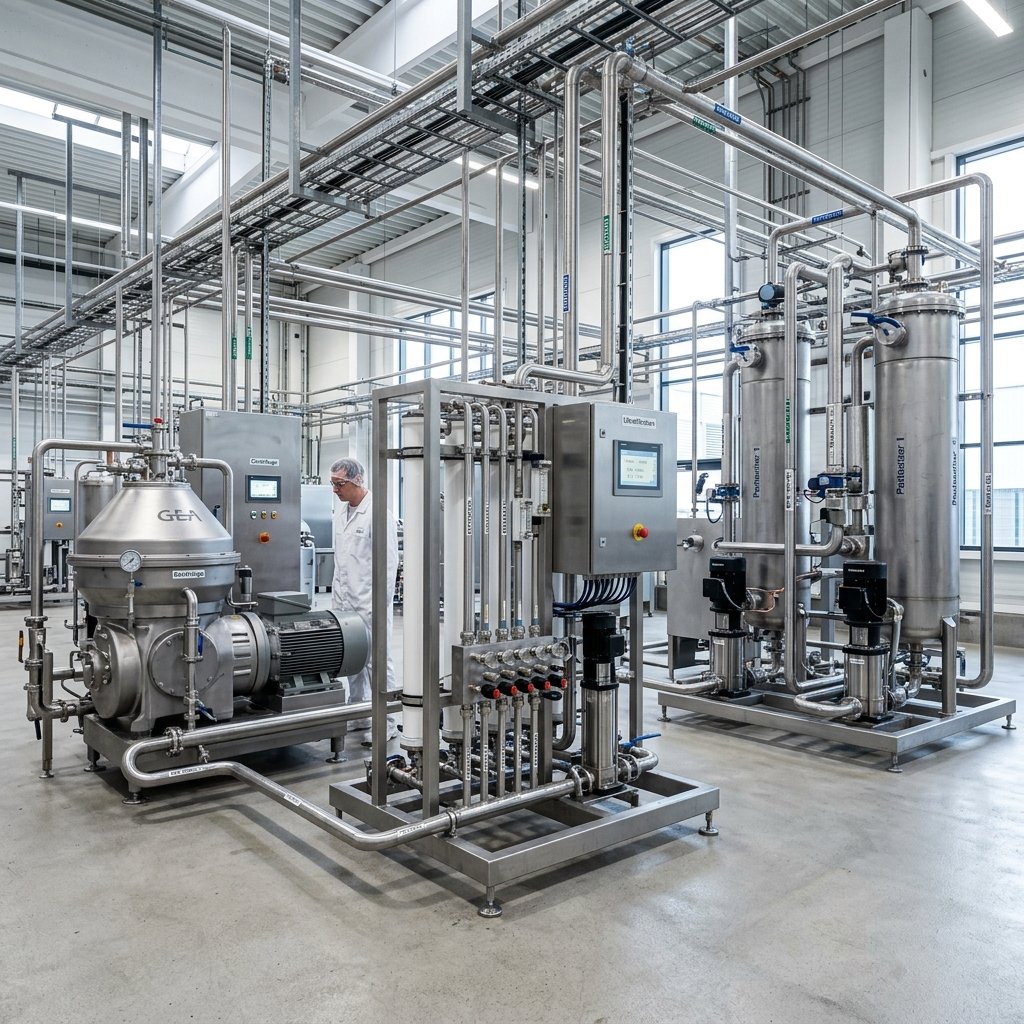
The SSB-R10 handles a variety of applications, from still water to carbonated beverages.
Water Bottling Lines
Water bottling is where the SSB-R10 gets pushed hardest, and for good reason: a mineral water bottle making machine runn...
Carbonated Soft Drink Production
Carbonated soft drinks need base geometry that survives internal pressure without ovalization, which is a different stru...
Large Format Juice and Isotonic Containers
Large format containers for juice and isotonic drinks bring their own preform to bottle ratio challenges, easily handled...
KeyFeaturesandTechnicalSpecifications
High Torque 10 Cavity Rotary Carousel
Driven by a servo system tight enough to hold synchronization across every station without cumulative drift, so cavity s...
Multi Zone IR Thermal Modules
Independent zone control means each preform gets a thermal profile matched to its wall geometry, not a one size fits all...
Precise Blow Valve Timing & Monitoring
Dual stage pressure delivery (pre blow, then high pressure final blow) is synchronized to the millisecond across all ten...
WhyChooseSeppaSolutionsforPETBlowingMachines
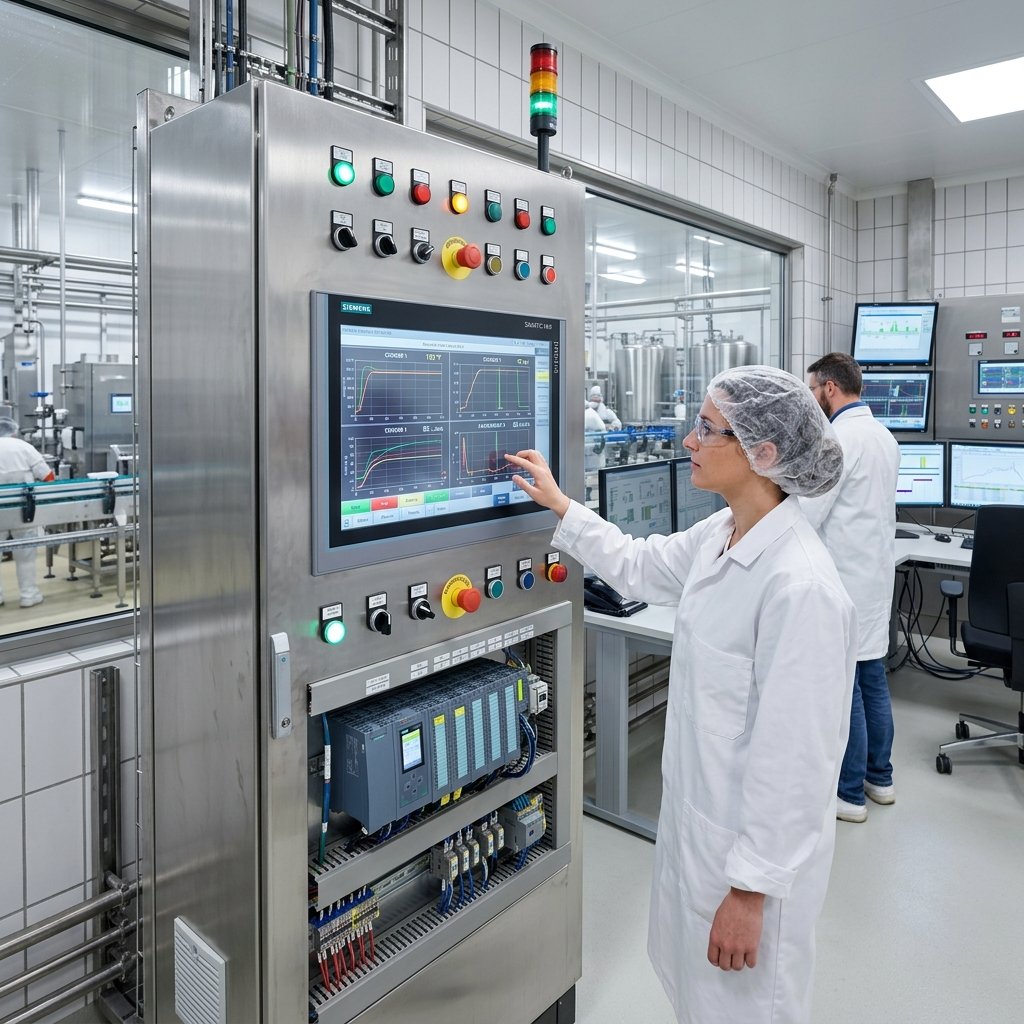
Seppa Solutions builds turnkey lines, not standalone units dropped into a plant and left to be integrated by someone else's engineers.
That distinction matters when a facility is trying to get a new auto blowing machine talking to existing filling, capping, and labelling equipment without a six month commissioning headache.
It's a fully automatic pet blowing machine that a plant's existing technicians can actually run and maintain, not one that requires a specialized engineer on standby. Seppa's mastery of scaling rotary auto blowing machine platforms across different bottle formats and production volumes comes from having built these systems for beverage manufacturers who don't have room in their schedule for equipment that underperforms its own spec sheet.
When a plant asks for an automatic bottle blowing machine capable of running unattended overnight shifts, Seppa's answer starts with the same question every time: what's the failure mode you're most worried about? That answer shapes which monitoring systems get prioritized on that specific auto blowing machine build, rather than shipping the same generic configuration to every client regardless of their actual production risk.
MethodologyofthePETBottleBlowingProcess
The production sequence looks simple on paper and is anything but simple to execute at scale:
Continuous Infeed
Preforms enter on a continuous infeed and get sorted into consistent orientation before entering the heating zone.
Staged IR Heating
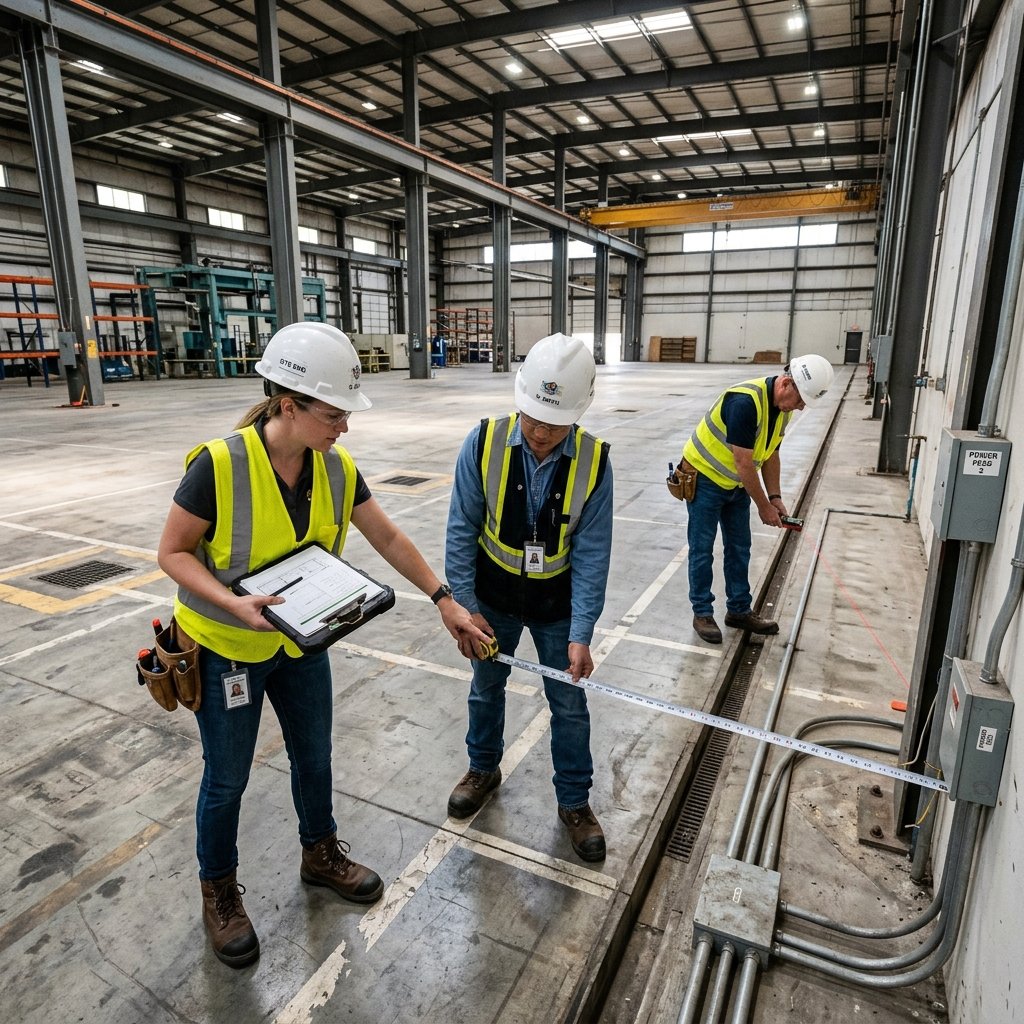
Preforms pass through staged IR heating that brings the PET to its optimal stretch temperature without overheating the neck finish.
Synchronized Rotary Stretch Blow Cycle
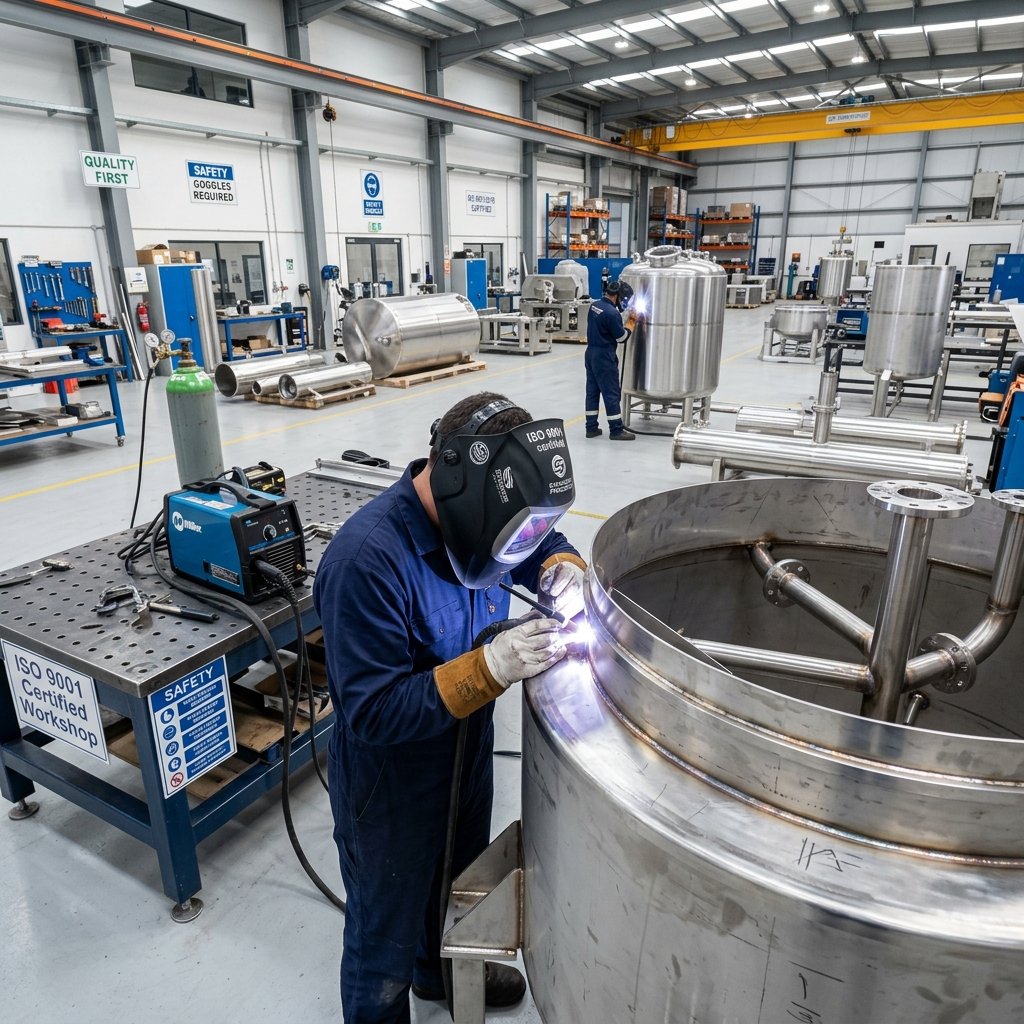
Preforms move into the synchronized rotary stretch blow cycle where stretch rod and pressurized air form the final bottle shape.
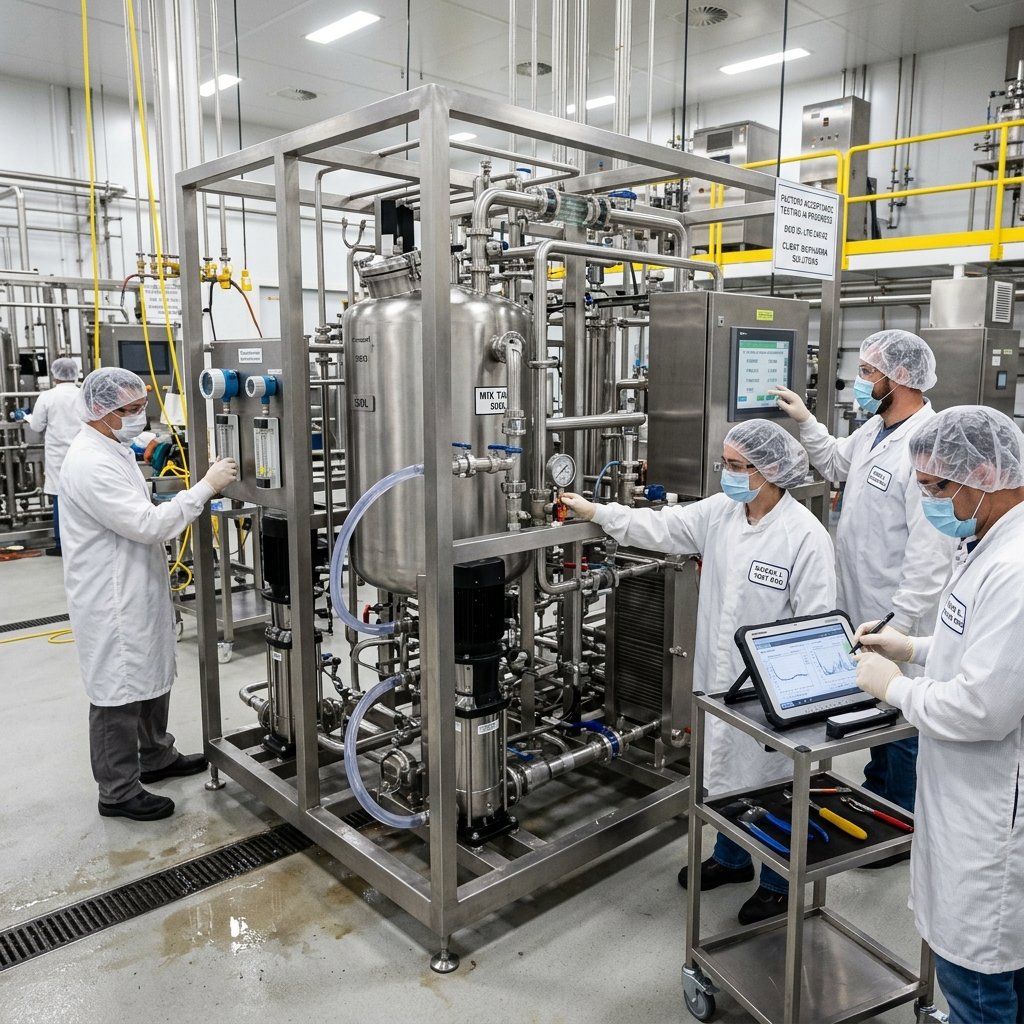
Automated Ejection and Cooling Handoff
Finished containers are automatically cooled, ejected, and transferred to the discharge conveyor while the carousel keeps moving.
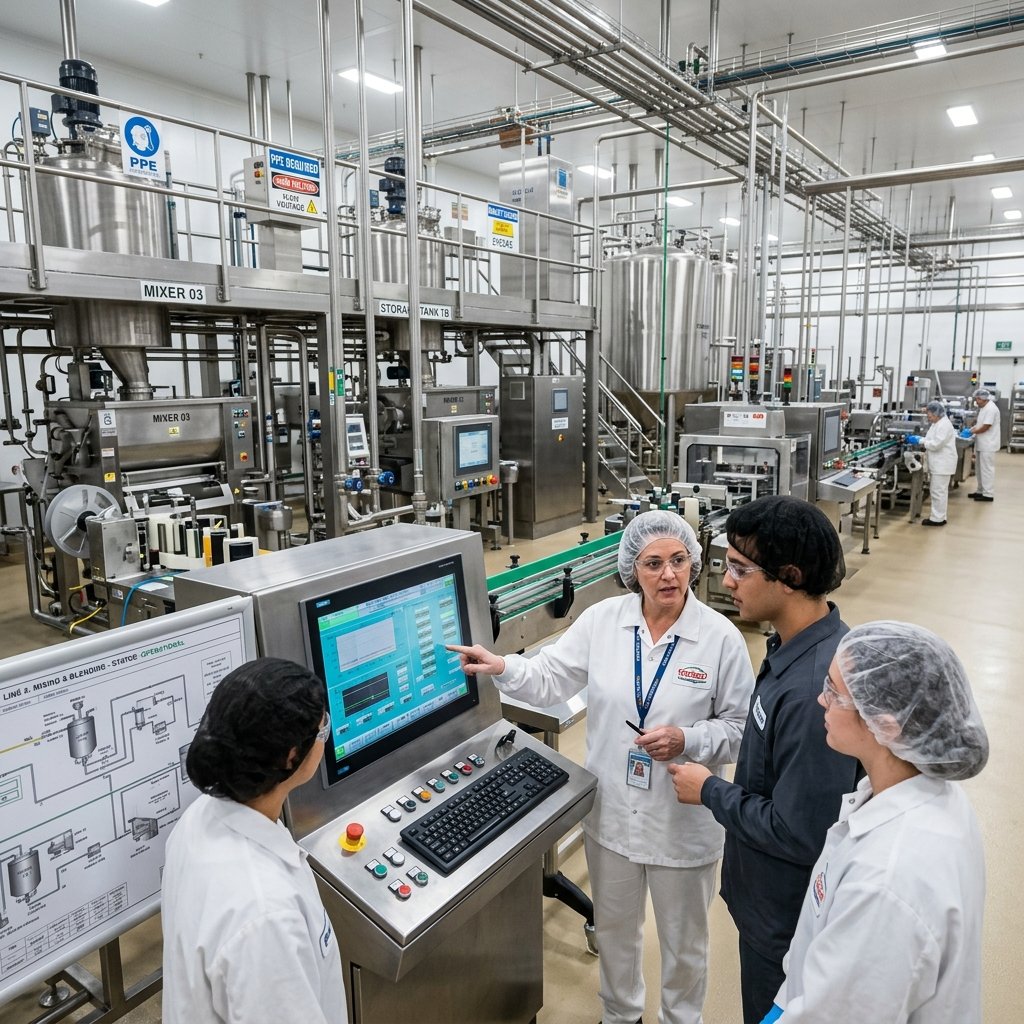
Compare that to how a semi auto bottle blower handles the same job. A semi auto bottle blower typically requires an operator to load preforms manually between blow cycles, which caps throughput at whatever pace a human can sustain and introduces cycle to cycle variation. The auto blowing machine architecture removes that variable entirely by keeping every stage mechanically timed rather than operator-paced.
FrequentlyAskedQuestions
EmpoweringIndustryLeadersWorldwide















CollaboratingwiththeBestintheIndustry



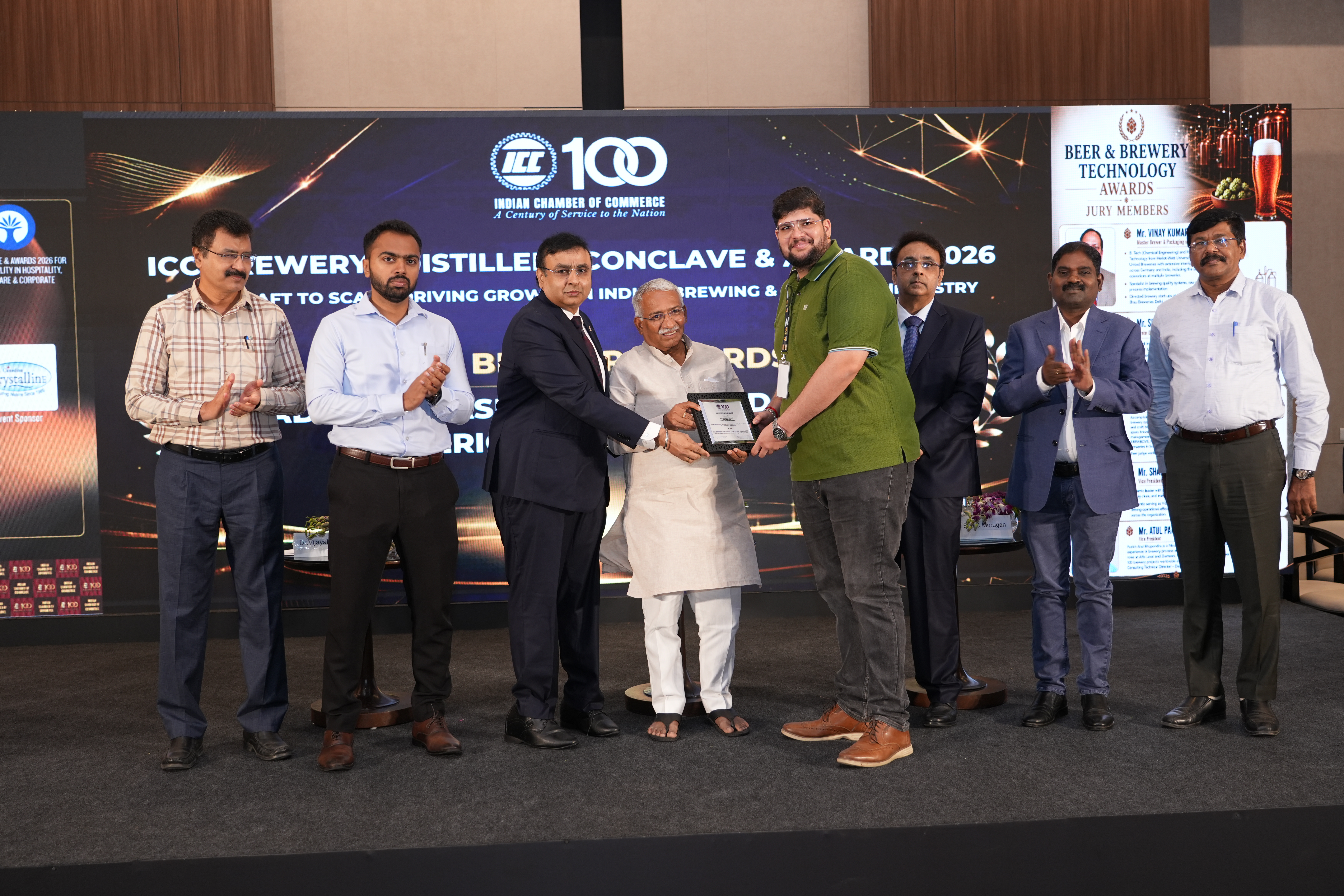
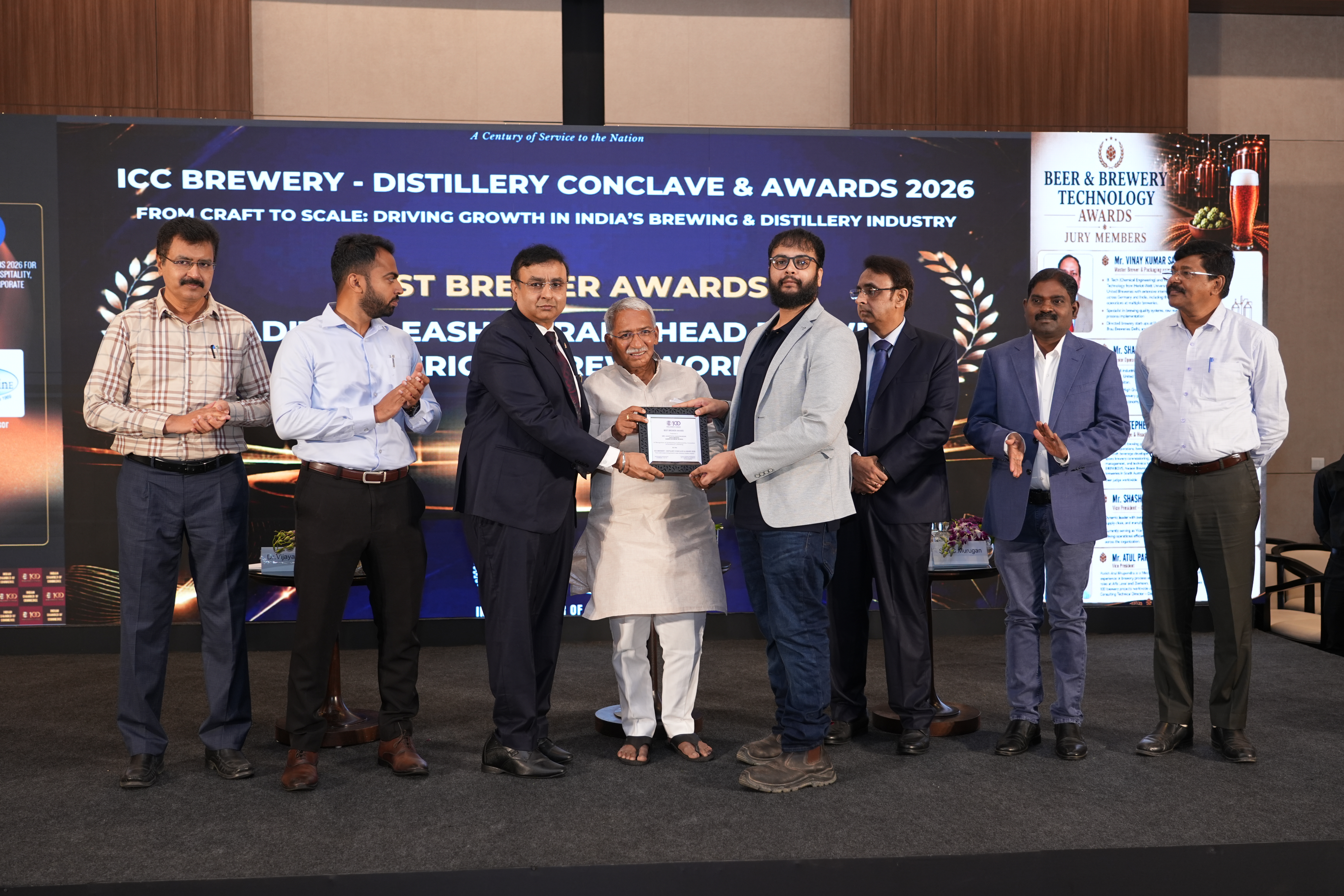
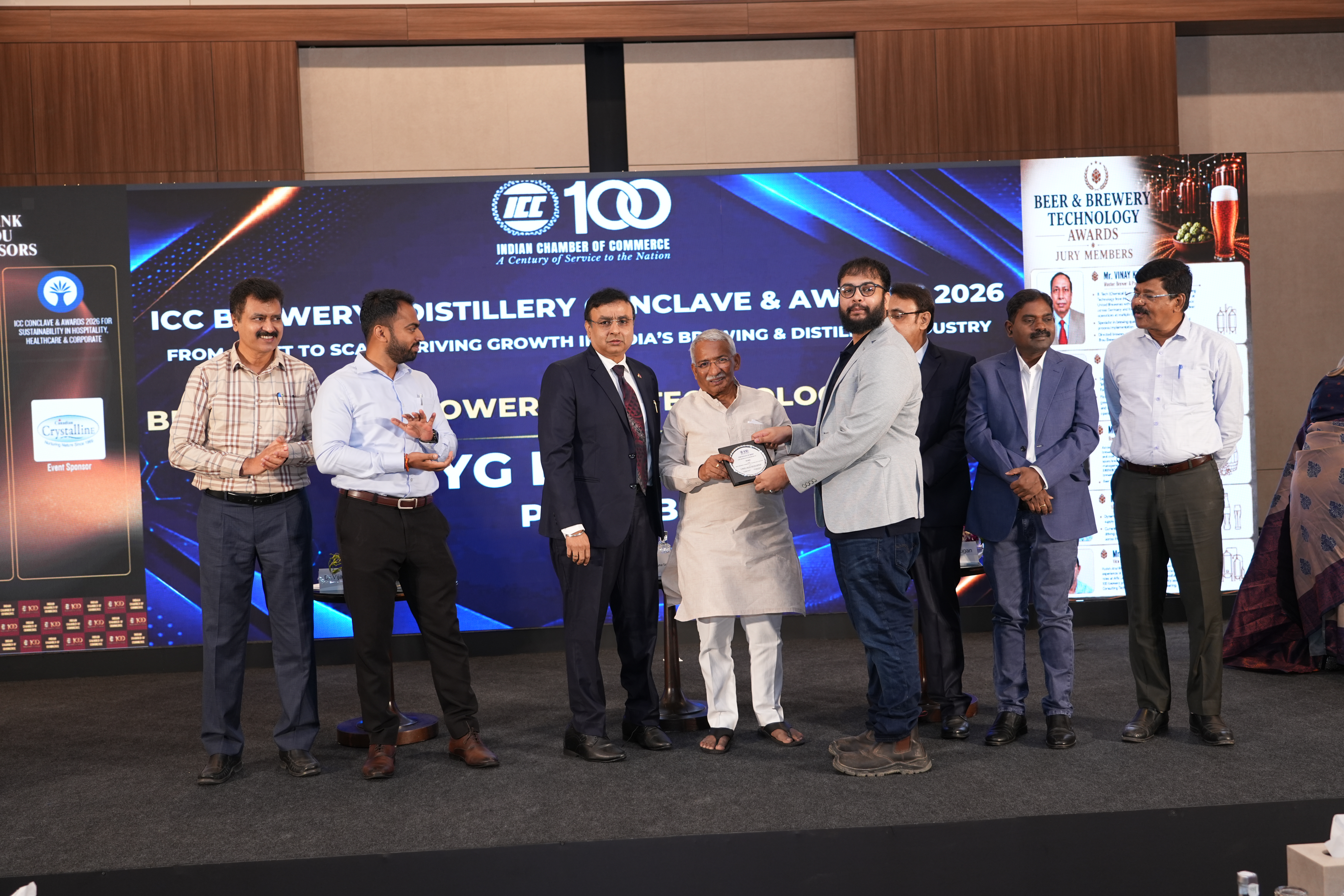
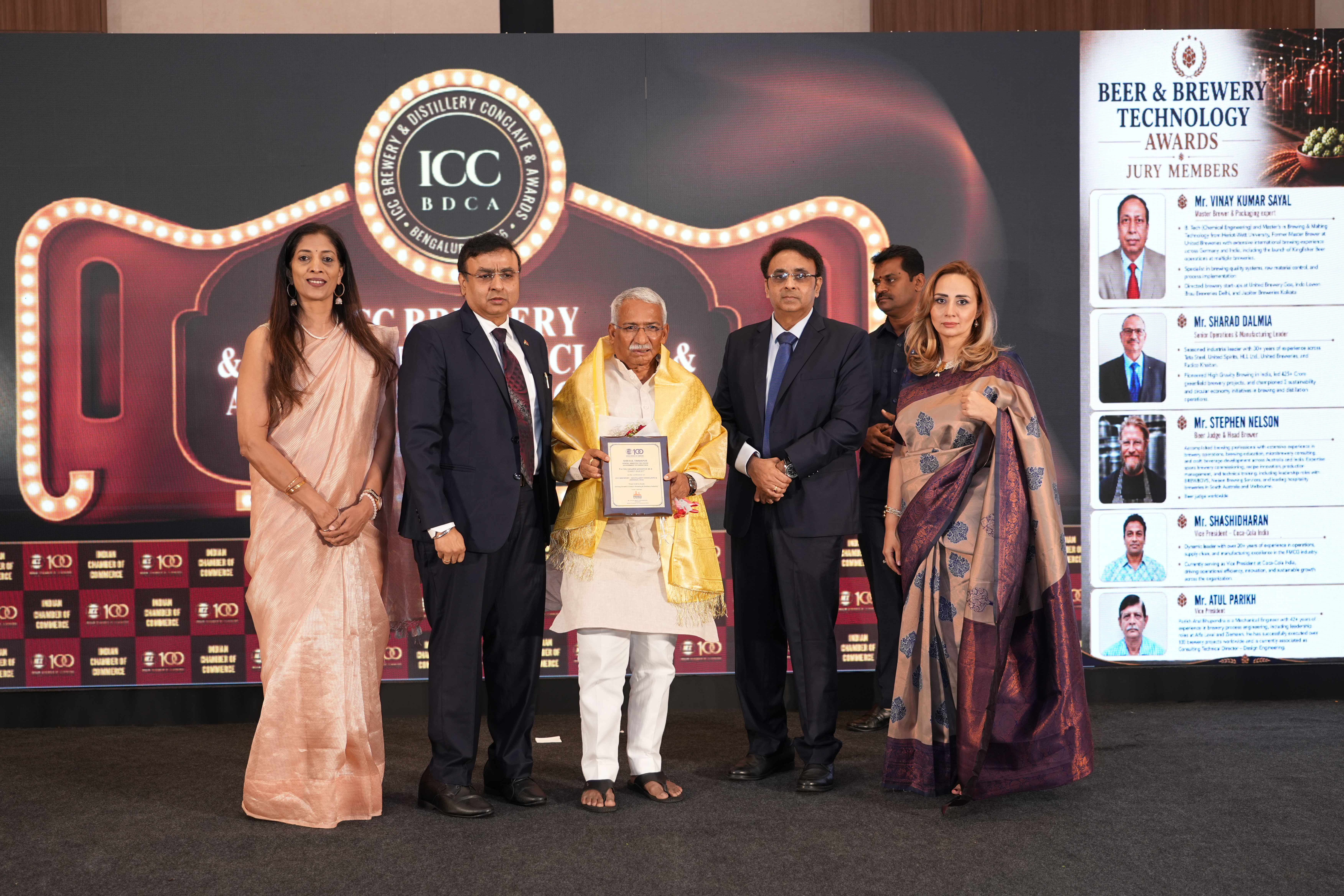
Awards&Achievements
Our relentless pursuit of excellence and innovation has been recognized globally. We take pride in the milestones we've achieved on our journey to transforming the industry.

Let's Discuss Your Packaging Needs
Reach out to our experts to find the perfect packaging solutions tailored for your business. We are here to help you succeed.
Call Us:
+91 93848 06105
Email Us:
info@seppasolutions.com
Location:
No. 7, Parivakkam Road , Chennai - 600 056, Tamilnadu, India.