What Is a Carbonated Soft Drink Processing Line?
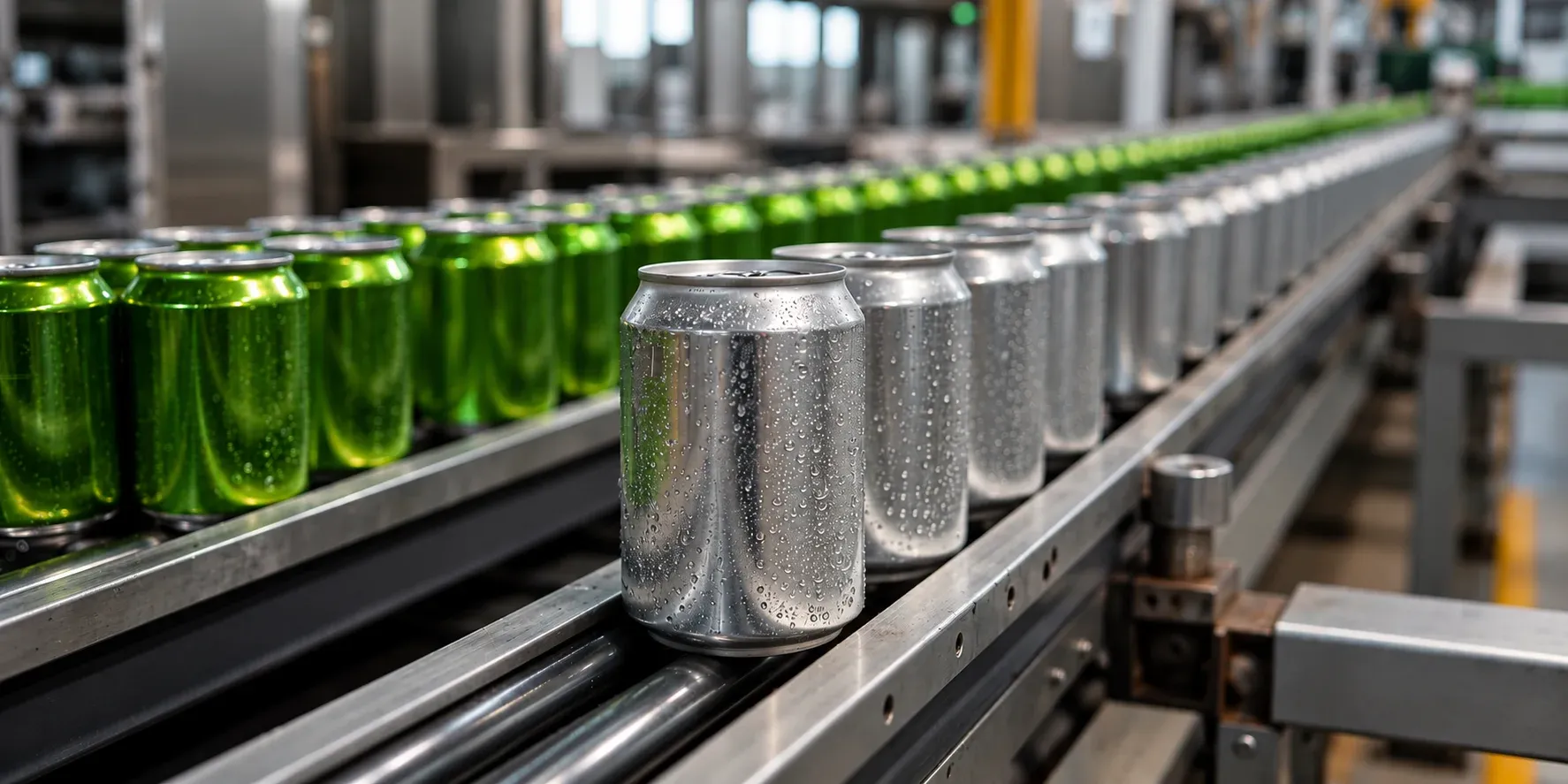
A carbonated soft drink production line is the chain of machines that turns raw water, sugar, and CO2 into the fizzy bottle sitting in a shop cooler. It's not one machine it's a relay, and every station on a carbonated soft drink production line has maybe a second to hand off cleanly. Miss that handoff at the carbonator and you either lose fizz or end up with a bottle that gushes.
What separates a real carbonated soft drink production line from a loose collection of tanks and pumps is control. CO2 doesn't want to stay dissolved in warm liquid it wants out, so the system fights that with cold temperatures and steady pressure from intake to the final crown. That single fact shapes almost every equipment decision on a carbonated soft drink production line.
Plant owners evaluating a new soft drink production line often assume the filler is the star. It isn't. A carbonated soft drink production line lives or dies on what happens upstream, before liquid reaches the filler bowl.
Step by Step Soft Drink Manufacturing Process
The soft drink manufacturing process runs in a fairly fixed order, even though the hardware varies by plant size.
Water treatment comes first clarification, filtration, and often RO or carbon polishing to strip chlorine taste. Syrup preparation follows: sugar dissolves in hot water, gets filtered clean, and blends with flavour and acid to a target Brix near 60–65°. Standardization dilutes that syrup with treated water to the final ratio, then chills it. Deaeration and carbonation strip out dissolved oxygen and inject CO2 into the chilled liquid. Filling and capping happen within seconds to limit gas loss. Packing closes the loop with cases, wrap, and pallets.
That's the soft drink manufacturing process in brief, but each stage hides real engineering which is why equipment choice matters so much on any carbonated soft drink production line. Get one step wrong in the soft drink manufacturing process and every stage after it has to compensate, usually at the cost of yield or shelf life.
Key Equipment in a Carbonated Soft Drink Processing Line
Ask a plant manager and they'll tell you a line is only as strong as its weakest machine. Here's the core soft drink manufacturing equipment on a working beverage processing line:
• Water treatment skid: filtration, carbon, RO or softening
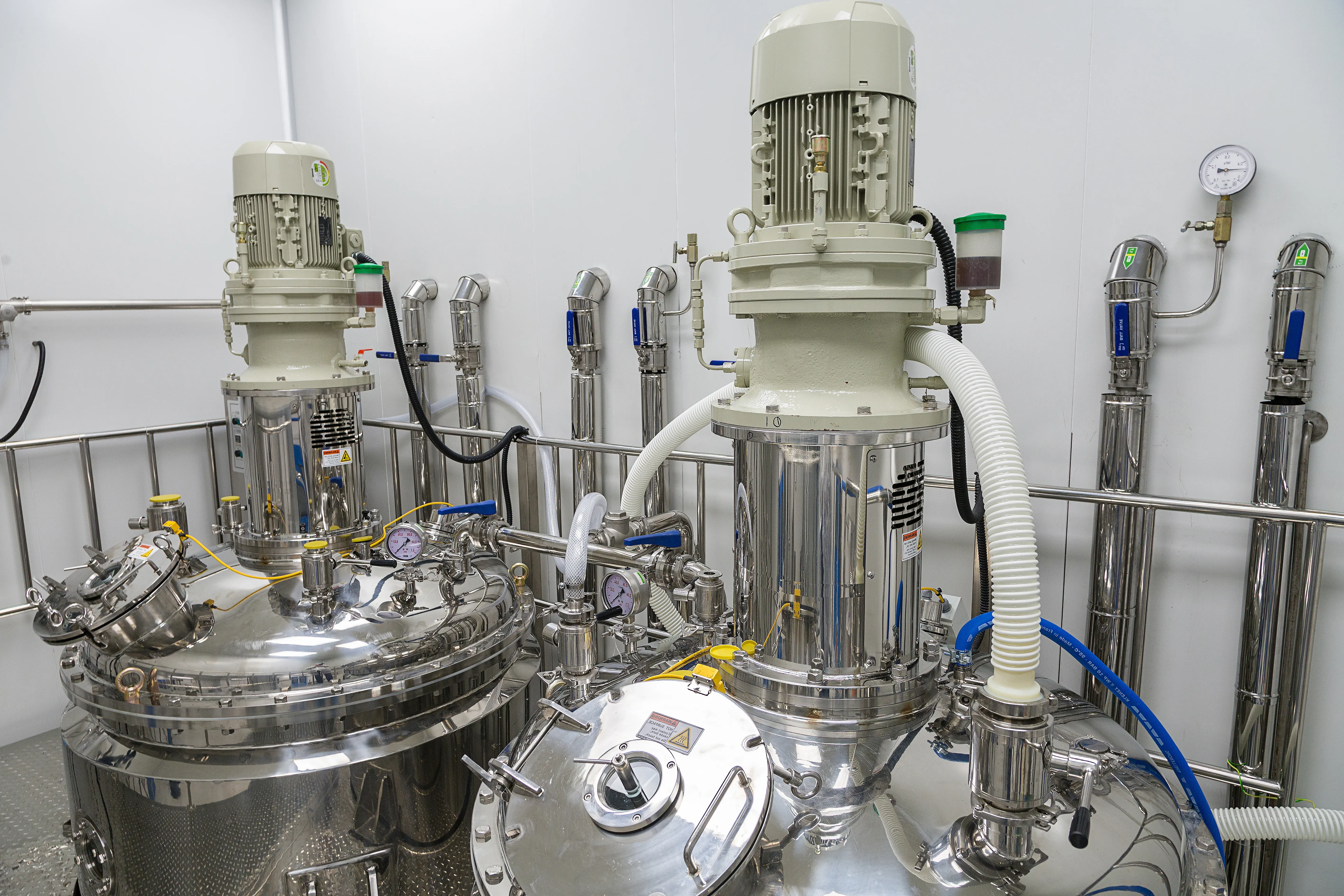
• Sugar dissolver: jet mixing tanks that dissolve sugar fast
• Syrup filter and pasteurizer: keeps syrup microbiologically clean
• Blending/proportioning system: meters water and syrup to a precise ratio
• Deaerator and carbonator: the heart of carbonated beverage production
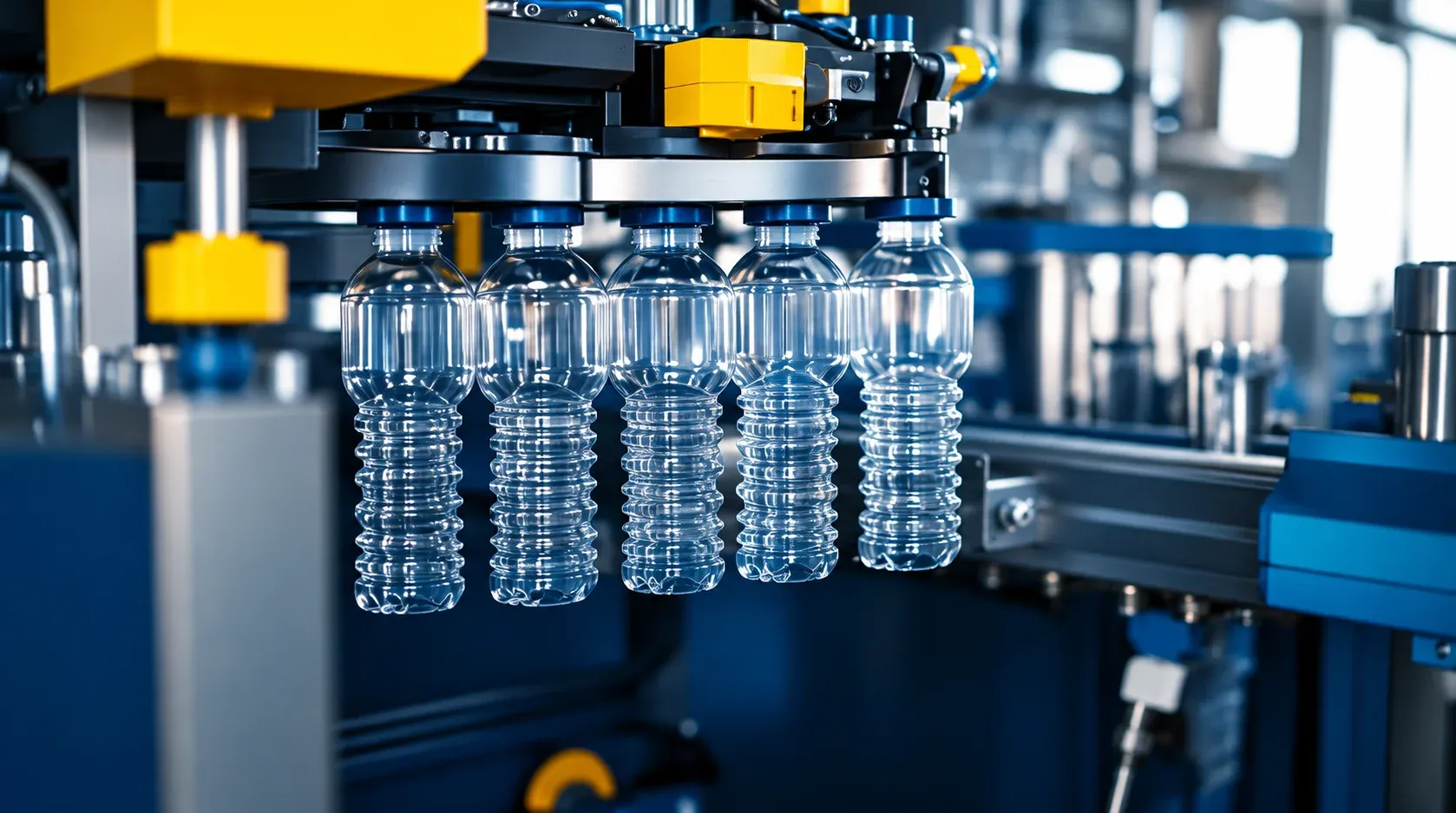
• Isobaric filler: fills without turbulence so the drink keeps its fizz
• Capper, warmer tunnel, labeller, case packer: the finishing crew
None of this soft drink manufacturing equipment works alone. Piping, sensors, and a shared control system stitch it into one carbonated soft drink production line running anywhere from a few thousand to twenty thousand-plus bottles an hour. Buy soft drink manufacturing equipment piecemeal from different vendors and you'll spend six months just getting it all to talk to each other.
Water Treatment and Syrup Preparation for Soft Drink Production
Water makes up roughly 90% of most carbonated drinks, so it earns real attention on a beverage processing line. Incoming water passes through coagulation and filtration, gets chlorinated to handle bacteria, then runs through activated carbon to strip that chlorine back out otherwise you'd taste it in the can.
Deaeration is the step people forget until it bites them. Leftover oxygen competes with CO2 for solubility space and speeds up flavour breakdown, so a vacuum deaerator pulls it out before water reaches the syrup room. On the syrup side, sugar dissolves in a jet mixing tank, gets filtered for grit, and often passes through flash pasteurization. Sloppy syrup room habits are where a lot of trouble on a carbonated soft drink production line starts, and it's also where the soft drink manufacturing process separates plants that hit consistent Brix from ones that chase flavour drift for years.
Carbonation, Mixing, Filling and Capping Process
This is where decent carbonated beverage production and great carbonated beverage production part ways: temperature and pressure control during gas absorption.
CO2 solubility rises as liquid cools, so most carbonated soft drink production line setups chill the beverage to roughly 1–4°C before carbonation. Warmer liquid just won't hold gas at usable pressure. A static mixer or carbonation tower brings the chilled, deaerated liquid into contact with CO2, and a fine tuning valve dials in the exact volumes a light 2.5 for a fruit drink, a punchier 4.5 for a classic cola.
From there the beverage moves under its own gas blanket to an isobaric filler, which equalizes pressure between bowl and bottle before liquid ever flows. That avoids the foaming you'd get from gravity filling a fizzy product. Capping happens almost instantly every extra second is a second of gas escaping. This handoff between carbonation and filling is the single most sensitive stretch on any carbonated soft drink production line.
Legacy vs. Modern Integrated CSD Lines
The gap between an old beverage processing line and a modern one usually shows up in four places: speed, gas precision, sanitation, and yield.
| Parameter | Legacy / Semi Automated Line | Modern Fully Integrated Line |
|---|---|---|
| Throughput Speed & Efficiency | 1,000–3,000 bottles/hour; frequent manual changeovers | 8,000–20,000+ bottles/hour; PLC driven changeovers |
| CO2 Saturation Precision | Manual valve tuning; swings of ±0.3–0.5 volumes | Closed loop sensors hold within roughly ±0.05 volumes |
| Contamination Risk & CIP | Manual CIP, inconsistent cycles, higher risk | Automated, validated CIP cycles with logged records |
| Ingredient Yield Accuracy | Operator dependent dosing; 2–4% giveaway typical | Mass flow metering; giveaway usually under 1% |
Automation and Quality Control in CSD Production
Automation touches every stage of the soft drink manufacturing process, but it shows up most clearly in quality control. A modern soft drink production line leans on sensors more than operator judgment. Inline Brix meters track syrup concentration live. CO2 sensors sit right at the filler bowl on any well built beverage processing line, catching drift before a bad batch reaches packaging. Vision systems check fill level, cap seating, and labels at line speed, kicking out anything off spec.
Why bother with all this on a carbonated soft drink production line? Rework and recalls cost real money, and drinkers notice inconsistency fast a can that's flat one week and gushing the next erodes trust quicker than almost anything a brand can do wrong. Automation is what lets a carbonated soft drink production line hold that promise batch after batch.
Why Choose SEPPA Solutions for Carbonated Beverage Production?
SEPPA Solutions builds a carbonated soft drink production line as one complete, turnkey system instead of a pile of machines you're left to stitch together. From water treatment and syrup prep through carbonation, filling, and packing, every part of the carbonated beverage production setup shares the same control logic and hygienic design standard.
That matters because mismatched gear is where plants lose money a fast filler paired with a slow carbonator just creates a bottleneck. SEPPA sizes each stage of the beverage processing line to real production targets rather than catalogue defaults, and backs every carbonated soft drink production line installation with commissioning support so a new plant reaches full output fast. For a facility planning serious carbonated beverage production volumes, that upfront discipline protects the timeline.
Final Thoughts
A well built carbonated soft drink production line pays for itself in ways that don't always show up on a spec sheet right away: fewer rejected batches, tighter yield, a product that tastes the same in the hundredth case as it did in the first. Cut corners on carbonation control or syrup room discipline and it shows up later as waste or a brand that just doesn't taste consistent anymore. The real question for any plant weighing an upgrade isn't whether modern soft drink manufacturing equipment is worth it it's how much the old bottlenecks are quietly costing right now.
Frequently Asked Questions
1. Why is water deaeration required?
Leftover oxygen competes with CO2 for solubility and speeds up flavour loss. Removing it before carbonation helps a carbonated soft drink production line hit its target gas volumes reliably, which matters just as much for carbonated beverage production runs using fruit concentrates as it does for clear sodas.
2. How does temperature affect CO2 levels?
Colder liquid holds more dissolved gas at a given pressure, which is why carbonation on most lines happens between 1–4°C.
3. What's the difference between isobaric and gravity filling?
Isobaric filling equalizes pressure before liquid flows, avoiding foam out. Gravity filling works fine for still drinks but foams badly on carbonated ones.
4. Can a soft drink production line scale up later?
Yes modular, skid based designs let a plant add a second filler or extra carbonation capacity to a carbonated soft drink production line without rebuilding the whole beverage processing line from scratch.
5. Does new soft drink manufacturing equipment require retraining staff?
Some, though most modern soft drink manufacturing equipment uses touchscreen recipe controls that cut training time compared to older manual panels.